When Heavy Periods and Fibroids Start Affecting Your Life, It’s Time to Talk About Options
As a board-certified urogynecologist and reconstructive pelvic surgeon, I often meet women who have been living with heavy periods, pelvic pressure, or discomfort for far longer than they should have to. Many have been told that painful or unusually heavy menstrual cycles are simply something they need to tolerate. Others have adjusted their routines around their symptoms without realizing how much those symptoms are interfering with their quality of life.
Uterine fibroids are one of the common reasons this can happen.
Fibroids are noncancerous growths that develop in or around the uterus. Some are small and cause no noticeable symptoms. Others can lead to heavy bleeding, prolonged periods, pelvic pressure, bloating, urinary frequency, pain, or difficulty getting through normal daily activities. For some women, fibroids can also affect fertility or pregnancy planning.
What I want patients to know is this: you do not have to accept disruptive symptoms as normal.
Heavy Periods Are Not Something to Ignore
A heavy period is not just an inconvenience. If you are changing pads or tampons frequently, passing large clots, planning your day around bathroom access, or feeling exhausted from blood loss, that deserves attention.
Heavy menstrual bleeding can sometimes lead to anemia, fatigue, dizziness, and decreased energy. It can also create emotional stress. Many women quietly organize their workdays, travel, exercise, and social plans around their cycle because they are worried about bleeding through clothing or being caught unprepared.
When symptoms begin controlling your schedule, your confidence, or your comfort, it is time to be evaluated.
How Fibroids Can Affect the Body
Fibroids can create different symptoms depending on their size, number, and location. Some grow inside the uterine cavity, where they may cause heavy or irregular bleeding. Others grow within the muscular wall of the uterus or on the outside surface, where they may contribute to pelvic pressure, fullness, or discomfort.
Patients may describe:
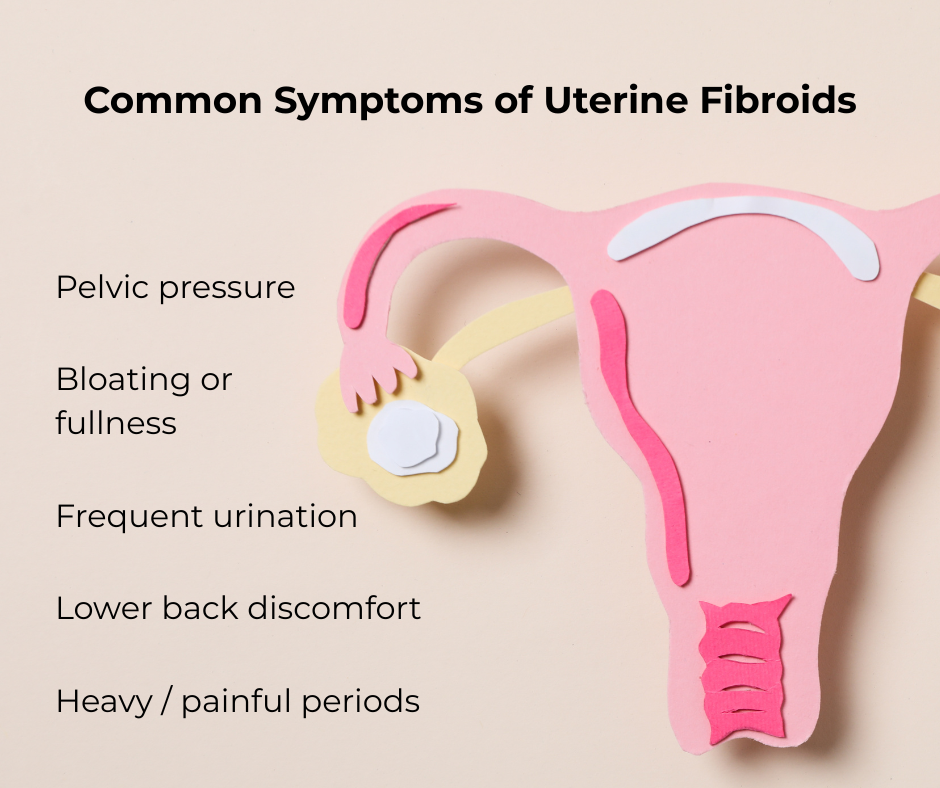
- Heavy or prolonged menstrual bleeding
- Pelvic pressure or bloating
- Painful periods
- Lower back discomfort
- Frequent urination
- A sensation of fullness in the lower abdomen
- Difficulty with intimacy
- Fertility concerns or pregnancy-related concerns
Not every patient with fibroids needs surgery. The right treatment depends on the patient’s symptoms, goals, age, medical history, and whether they wish to preserve fertility.
The Importance of an Individualized Treatment Plan
At Advanced Women’s Health NJ, my approach begins with listening. I want to understand what you are experiencing, how long it has been happening, and how it is affecting your life.
From there, we may recommend imaging, such as ultrasound, to better understand the size and location of the fibroids. Once we have that information, we can talk through treatment options.
For some patients, conservative management may be appropriate. For others, medication, minimally invasive procedures, or surgical treatment may offer more meaningful relief.
The goal is not to rush every patient toward surgery. The goal is to help each patient understand what is happening and choose the option that best fits their body, symptoms, and future plans.
When Surgery Is the Right Option
For women with significant symptoms, minimally invasive gynecologic surgery can be an effective treatment path. In some cases, a myomectomy may be recommended to remove fibroids while preserving the uterus. In other cases, a hysterectomy may be the most appropriate option, particularly when symptoms are severe and the patient does not desire future pregnancy.
When appropriate, robotic-assisted surgery using the da Vinci system allows me to perform complex procedures through small incisions with enhanced visualization and precision. For many patients, minimally invasive surgery may mean less pain, less blood loss, and a faster return to daily life compared to traditional open surgery.
Every patient is different, and not everyone is a candidate for the same procedure. That is why a complete evaluation is so important.
You Deserve Clarity and Relief
Many women wait months or years before seeking help for heavy bleeding or pelvic symptoms. Sometimes they are embarrassed. Sometimes they assume nothing can be done. Sometimes they have been told that symptoms are just part of aging or motherhood.
I want to be clear: if your period or pelvic symptoms are disrupting your life, it is worth having a conversation.
There are more options today than many patients realize. With the right evaluation and an individualized plan, we can often help women regain comfort, confidence, and control over their daily routines.
If you are experiencing heavy periods, pelvic pressure, or symptoms that may be related to fibroids, I encourage you to schedule a consultation. Understanding the cause of your symptoms is the first step toward feeling better.