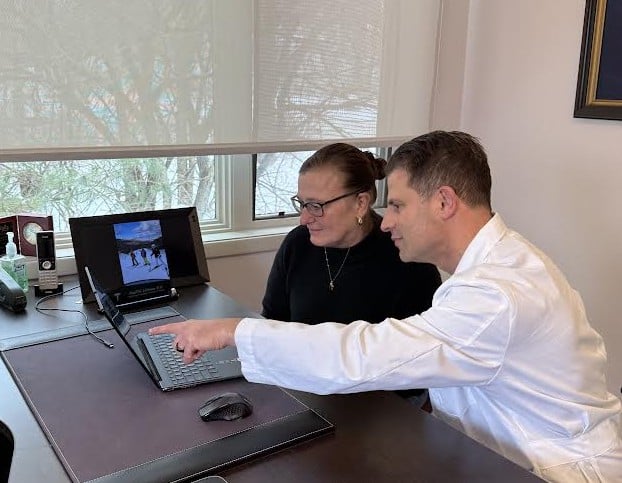

Pelvic pressure, bladder leakage, or a feeling of heaviness may begin as occasional inconveniences. Because these symptoms can develop gradually, it is easy to adjust routines around them such as avoiding certain activities, locating the nearest restroom, or simply hoping the problem will resolve on its own.
However, when pelvic floor symptoms begin affecting your comfort, confidence, or daily life, they deserve attention.
Pelvic Floor Conditions Can Change Over Time
The pelvic floor supports the bladder, uterus, rectum, and other pelvic organs. When its muscles and connective tissues weaken, patients may experience conditions such as pelvic organ prolapse or bladder dysfunction.
Symptoms can include:
- Pelvic pressure or heaviness
- A bulge or shifting sensation in the vaginal area
- Urinary leakage
- Difficulty emptying the bladder
- Frequent or urgent urination
- Discomfort during everyday activities
- Changes in bowel function
Some mild symptoms remain manageable, while others may become more noticeable or disruptive. An evaluation can help determine what is causing the symptoms and whether monitoring or treatment is appropriate.
Waiting Can Affect More Than Physical Comfort
Pelvic floor symptoms may gradually influence everyday decisions. You might stop exercising, avoid social events, limit travel, or feel less comfortable participating in activities you once enjoyed.
These changes can happen so slowly that they begin to feel normal. However, bladder leakage, pelvic pressure, and prolapse symptoms do not have to be accepted simply as part of aging.
Seeking care does not mean you are committing to surgery. It means gaining a clearer understanding of your health and available options.
Early Evaluation May Provide More Choices
An earlier conversation with a urogynecologist may make it possible to begin with conservative care, depending on the condition and its severity. Treatment options may include:
- Lifestyle or behavioral changes
- Pelvic floor therapy
- Bladder-management strategies
- Medication
- Nonsurgical therapies
- Minimally invasive procedures
- Robotic-assisted surgery when clinically appropriate
The right approach depends on your symptoms, health history, goals, and examination findings. An individualized evaluation helps ensure that treatment is based on your needs—not a one-size-fits-all recommendation.
When Should You Schedule a Consultation?
Consider speaking with a specialist if your symptoms are:
- Becoming more frequent or noticeable
- Interfering with exercise, work, travel, or social activities
- Affecting sleep, intimacy, or confidence
- Causing pain or discomfort
- Making it difficult to control or empty your bladder
- Preventing you from doing things you enjoy
You do not need to wait until symptoms become severe. A consultation can provide answers, reassurance, and a plan for what to do next.
Clarity Is the First Step
Pelvic floor conditions are common, but that does not mean you have to live with disruptive symptoms. Understanding what is happening allows you and your doctor to make informed decisions before the condition has a greater impact on your daily life.
Advanced Women’s Health NJ provides personalized evaluation and evidence-based treatment for pelvic organ prolapse, urinary incontinence, bladder dysfunction, and other pelvic health concerns. Dr. Paul Littman works with each patient to develop an appropriate plan, from conservative care to advanced minimally invasive treatment.
If pelvic floor symptoms are affecting your comfort or routine, schedule a consultation to learn about your options.
This article is intended for general educational purposes and does not replace personalized medical advice. Symptoms can have multiple causes. Consult a qualified healthcare professional for diagnosis and treatment recommendations.