
Uterine Fibroids
Uterine fibroids are noncancerous, benign tumors that develop in the uterus. They are common during the childbearing years and may cause heavy menstrual bleeding, pelvic cramping, pressure in the lower abdomen, frequent urination, or pain during intercourse.
REQUEST an AppointmentRequest a Consultation
Recognize the Signs of Fibroids
Heavy menstrual bleeding, sometimes with the passage of blood clots
Pelvic cramping or pain during periods
Fullness or pressure in the lower abdomen, frequent urination, or pain during intercourse
What Are Uterine Fibroids?
Uterine fibroids are noncancerous, benign tumors that develop in the uterus. They can be very small, requiring a microscope to see them, or they can grow very large. In some cases, fibroids may fill the entire uterus and weigh several pounds.
Although it is possible for just one fibroid to develop, there is usually more than one. Fibroids are common during the childbearing years and may shrink or cause no symptoms after menopause.
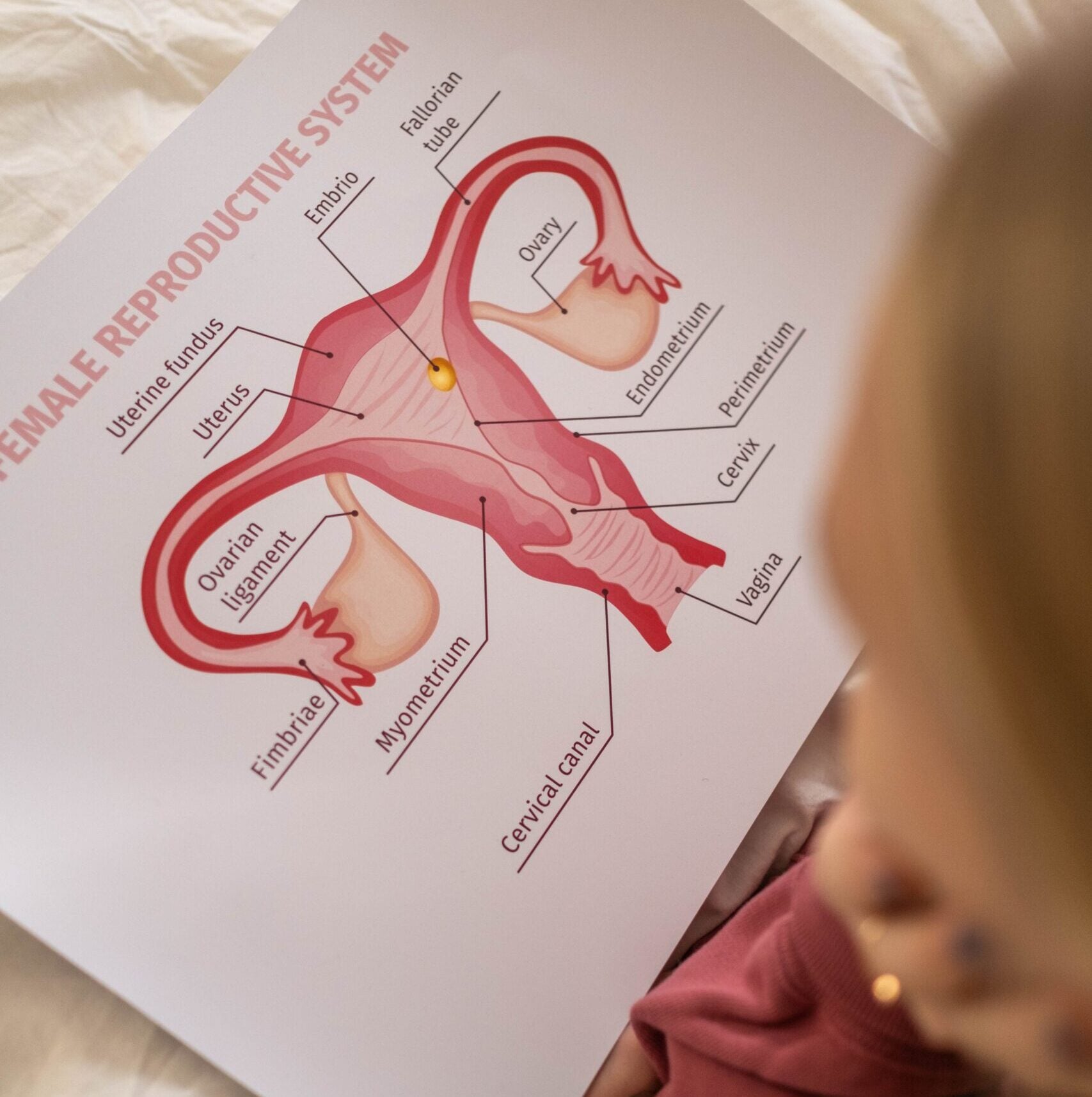
Causes, Risk Factors, and Symptoms
The cause of uterine fibroids is unknown. Their growth has been linked to the hormone estrogen. As long as a person with fibroids is menstruating, a fibroid will probably continue to grow, usually slowly.
Fibroids are often described by their location in the uterus. They may occur in the muscle wall of the uterus, just under the surface of the uterine lining, just under the outside covering of the uterus, or on a long stalk on the outside of the uterus or inside the uterine cavity.
Common symptoms may include bleeding between periods, heavy menstrual bleeding, periods that last longer than normal, pelvic cramping or pain with periods, a need to urinate more often, fullness or pressure in the lower abdomen, and pain during intercourse. Some people have no symptoms, and fibroids may be found during a physical exam or another test.
Frequently Asked Questions
How common are uterine fibroids?
Uterine fibroids are common. As many as 1 in 5 women may have fibroids during their childbearing years, and half of all women have
What symptoms can uterine fibroids cause?
Uterine fibroids may cause bleeding between periods, heavy menstrual bleeding, periods that last longer than normal, pelvic cramping or pain with periods, frequent urination, fullness or pressure in the lower abdomen, and pain during intercourse.
Can uterine fibroids occur without symptoms?
Yes. Some people with uterine fibroids have no symptoms. Fibroids may be found during a physical exam or another test.
Still Have Questions?
Talk with us about your symptoms
Our team in Sparta and Wayne, New Jersey can help you understand your options and build a care plan that fits your goals.