
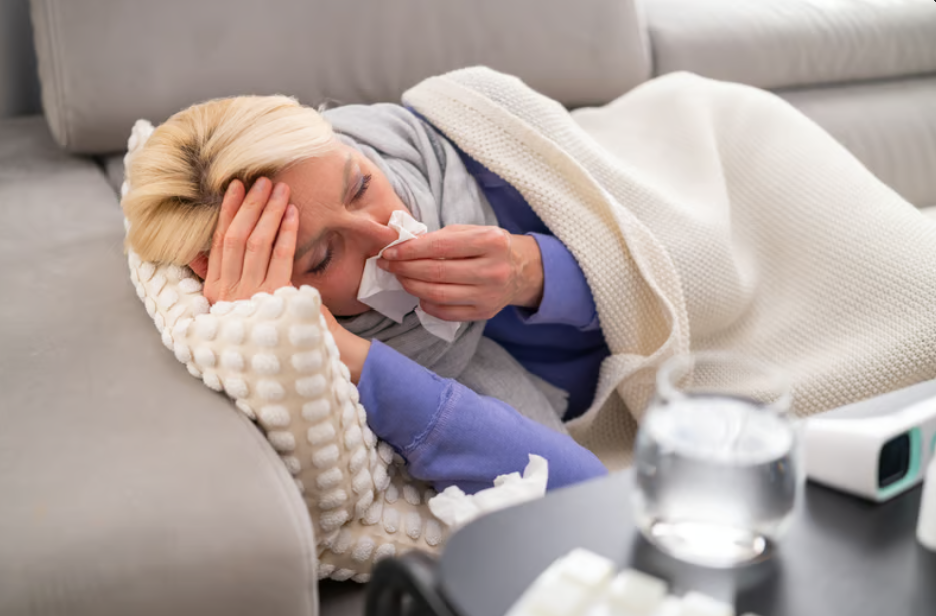
As temperatures drop and more time is spent indoors, colds, influenza, COVID-19, and other respiratory illnesses tend to circulate more widely. No routine can prevent every infection, but several everyday habits can help support normal immune function and reduce your risk of getting or spreading an illness.
The goal is not to “boost” your immune system overnight. Your immune system is complex, and it works best when supported by consistent sleep, balanced nutrition, regular movement, recommended vaccinations, and other preventive habits.
Know the Difference Between a Cold and the Flu
The common cold and influenza can cause similar symptoms, but they are not the same illness.
A cold often develops gradually and may include:
- A runny or stuffy nose
- Sneezing
- A mild cough
- A sore throat
- Mild fatigue
Influenza often begins more suddenly and may cause:
- Fever or chills
- Significant fatigue
- Body aches
- Headache
- Cough
- Sore throat
Not everyone with the flu develops a fever. COVID-19 and other respiratory infections can also cause overlapping symptoms, so testing may be appropriate depending on your symptoms, exposure, and current public health guidance.
Stay Current on Recommended Vaccinations
Vaccination is one of the most effective ways to reduce the risk of severe illness from influenza and COVID-19. Depending on your age, medical history, pregnancy status, and other risk factors, additional vaccines may also be recommended.
Because recommendations can change, ask your healthcare professional or pharmacist which vaccines are appropriate for you. Vaccination is particularly important for pregnant women, older adults, and people with chronic health conditions or weakened immune systems.
Protect Your Sleep
Sleep supports many aspects of immune function. Most adults should aim for seven to nine hours a night, although individual needs vary.
To improve sleep:
- Keep a consistent bedtime and wake-up time
- Limit caffeine later in the day
- Reduce alcohol, which can fragment sleep
- Create a cool, dark, quiet sleep environment
- Put away bright screens before bed
- Address symptoms such as hot flashes, pain, or nighttime urination that repeatedly wake you
If you snore loudly, wake gasping, develop morning headaches, or remain exhausted despite spending enough time in bed, talk with a healthcare professional about the possibility of a sleep disorder.
Eat for Consistent Nutrition, Not a Quick Fix
No single food can prevent a cold or cure the flu. A varied eating pattern provides the protein, vitamins, minerals, and energy your immune system needs to function normally.
Try to include:
- Fruits and vegetables in a variety of colors
- Protein from fish, poultry, eggs, beans, lentils, yogurt, or tofu
- Fiber-rich foods such as oats, beans, fruit, and whole grains
- Healthy fats from nuts, seeds, olive oil, or avocado
- Enough fluid throughout the day
If illness reduces your appetite, simple foods such as soup, yogurt, eggs, oatmeal, fruit, or toast may be easier to tolerate.
Be cautious with products marketed as “immune boosters.” High-dose vitamins and herbal supplements can cause side effects or interact with medications. More is not always better.
Keep Moving, but Give Yourself Permission to Rest
Regular moderate physical activity supports cardiovascular health, sleep, mood, and normal immune function. Walking, strength training, cycling, and other enjoyable activities can all be beneficial.
If you become sick, listen to your body. Fever, significant fatigue, chest symptoms, or widespread body aches are signs to rest rather than push through a workout. Return to exercise gradually as you recover.
Reduce Everyday Exposure
Practical preventive habits include:
- Washing your hands regularly
- Avoiding touching your face with unwashed hands
- Covering coughs and sneezes
- Improving indoor ventilation when possible
- Avoiding close contact with others when you are sick
- Cleaning frequently touched surfaces when someone at home is ill
- Considering a well-fitting mask in crowded indoor spaces or during periods of high respiratory illness activity
These steps are especially helpful when caring for children, older relatives, or anyone at greater risk for complications.
When to Contact a Healthcare Professional
Seek medical guidance if you have a high or persistent fever, worsening symptoms, difficulty staying hydrated, or symptoms that improve and then return.
Get urgent medical care for:
- Difficulty breathing
- Chest pain or pressure
- Confusion
- Fainting
- Blue or gray lips
- Severe weakness
- Signs of dehydration
- A rapid worsening of symptoms
Pregnant women and people with chronic medical conditions should contact a healthcare professional promptly when flu-like symptoms develop because early treatment may be recommended.
Supporting immune health is less about finding a miracle product and more about consistent preventive care. Sleep, balanced nutrition, movement, vaccination, and sensible infection-control habits can help you move through cold and flu season with greater confidence.
This article is for educational purposes and does not replace personalized medical advice. Speak with a qualified healthcare professional about recommendations specific to your health history.