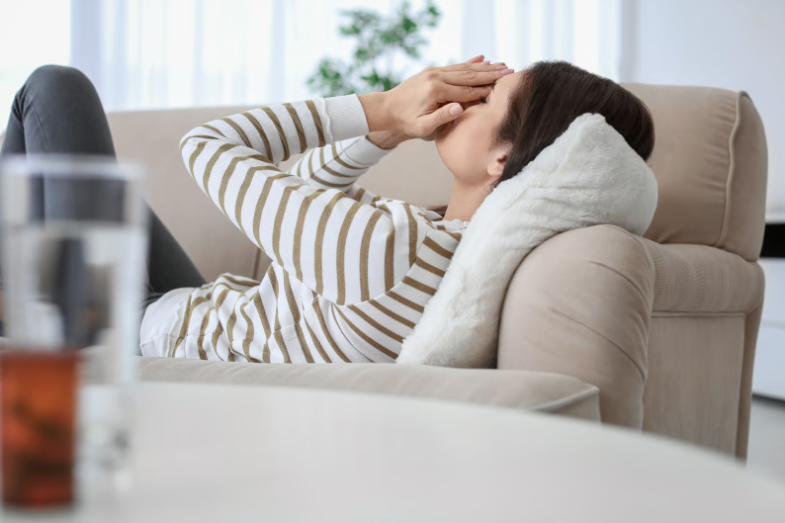
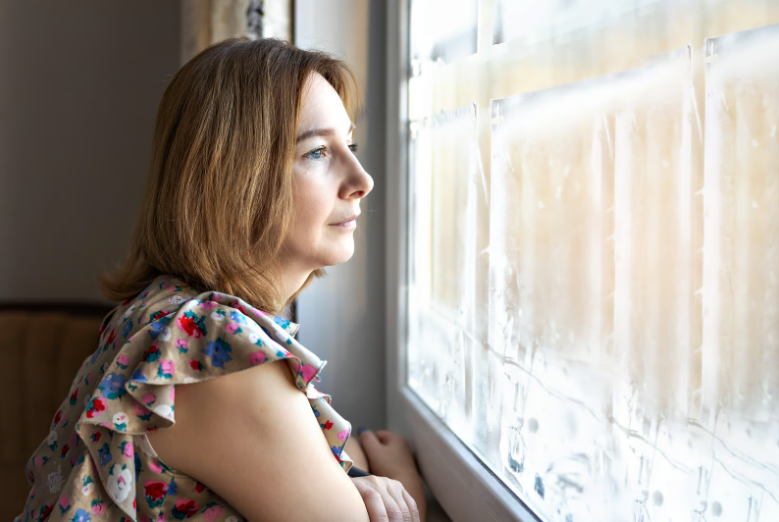
Many people notice a change in energy when the days become shorter. You may feel less motivated to exercise, want to sleep longer, or find it harder to get moving on dark mornings.
Occasional changes in energy are common. However, when low mood and loss of interest return during the same season, interfere with daily life, and improve when the season changes, the cause may be seasonal affective disorder.
Seasonal affective disorder, or SAD, is a form of depression with a recurring seasonal pattern. It most often begins in fall or winter, although a less common summer pattern can also occur.
Signs of Seasonal Affective Disorder
Symptoms of fall- or winter-pattern SAD may include:
- Persistent sadness, emptiness, or hopelessness
- Loss of interest in activities you normally enjoy
- Low energy
- Sleeping more than usual
- Difficulty waking in the morning
- Increased appetite or carbohydrate cravings
- Weight changes
- Difficulty concentrating
- Irritability
- Social withdrawal
- Feeling worthless or excessively guilty
- Thoughts of death or self-harm
SAD is more than feeling disappointed that summer has ended. Symptoms generally persist and affect work, relationships, self-care, or other parts of everyday life.
Why Are Women Affected?
Women are diagnosed with SAD more often than men. The reason is not completely understood and may involve a combination of biological, hormonal, social, and environmental factors.
Women in their 40s and 50s may also be experiencing perimenopause or menopause. Hot flashes, night sweats, sleep disruption, and hormonal changes can affect mood and energy. Seasonal depression and menopausal symptoms may occur at the same time, making it important not to assume there is only one cause.
Who Is at Greater Risk?
SAD may be more likely among people who:
- Live farther from the equator, where winter daylight is limited
- Have a personal or family history of depression
- Have bipolar disorder
- Have experienced SAD in previous years
- Spend little time outdoors during daylight
- Experience significant stress or social isolation
Having a risk factor does not mean you will develop SAD. A diagnosis requires an evaluation of your symptoms, their timing, and whether the pattern has repeated.
What Can Help?
Spend Time in Daylight
Try to get outside during the morning or brightest part of the day. Opening curtains, sitting near a window, and taking a daytime walk may also help reinforce your sleep-wake cycle.
Keep a Consistent Routine
Regular sleep and wake times can support your body’s internal clock. Meals, exercise, work, and social activities may also feel more manageable when they have a predictable place in your day.
Stay Connected
Depression often encourages withdrawal, but isolation can make symptoms worse. Schedule manageable contact with supportive friends or relatives, even when you do not feel highly social.
Continue Moving
Regular physical activity can support mood and sleep. Walking, yoga, cycling, swimming, or strength training may all be useful when practiced consistently.
Ask About Light Therapy
Light therapy uses a specialized light box to mimic bright outdoor light. The timing and type of device matter. It may not be appropriate for everyone, particularly people with certain eye conditions, those taking medications that increase light sensitivity, or people with bipolar disorder.
Speak with a qualified healthcare professional before beginning light therapy. Tanning beds are not a treatment for SAD and expose the skin to harmful ultraviolet radiation.
Consider Therapy or Medication
Cognitive behavioral therapy adapted for seasonal depression can help people identify unhelpful thought patterns and build practical coping strategies. Antidepressant medication may also be appropriate for some people.
When Should You Seek Help?
Schedule an evaluation if symptoms last for two weeks or longer, interfere with daily life, return during the same season, cause significant changes in sleep or appetite, lead you to isolate yourself, or occur alongside severe anxiety or increased alcohol use.
Seek immediate help if you are thinking about suicide or self-harm. In the United States, call or text 988 to reach the Suicide & Crisis Lifeline. If there is immediate danger, call 911 or go to the nearest emergency department.
Seasonal depression is real, and it is treatable. You do not have to wait for spring or try to manage significant symptoms alone.
This article is for educational purposes and does not replace evaluation or treatment by a qualified mental health or medical professional.