
Sacral Neuromodulation / Axonics Therapy
Sacral neuromodulation works with the sacral nerves near the tailbone to help improve communication between the brain, bladder, and related muscles.
Call (973) 512-3222 to Make an AppointmentRequest a Consultation
Address Urgency and Bladder Control
Urge incontinence
Urinary retention
Significant urgency-frequency symptoms or overactive bladder symptoms
What Is Sacral Neuromodulation?
Sacral neuromodulation works with the sacral nerves, located near the tailbone. The sacral nerves control the bladder and muscles related to urinary function. If the brain and sacral nerves are miscommunicating, the nerves cannot tell the bladder to function properly.
The source page describes InterStim Therapy as a treatment that modulates the sacral nerves with mild electrical pulses. This helps the brain and the nerves communicate so the bladder and related muscles can function properly.
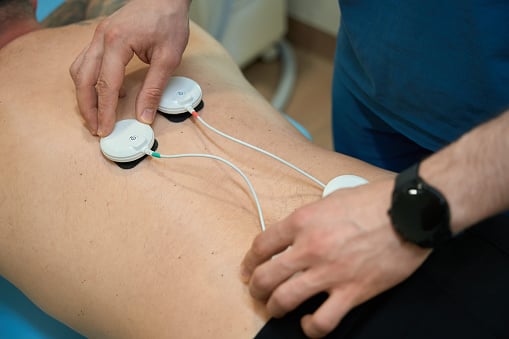
How the Therapy Is Evaluated
InterStim has been FDA-approved since 1997 for urge incontinence and since 1999 for urinary retention and significant symptoms of urgency-frequency. The source page states that sacral neuromodulation may help patients resume normal activities and avoid frustrating or embarrassing experiences associated with overactive bladder.
After talking with the doctor to see if InterStim Therapy is right for the patient, the patient may decide to try the therapy through an evaluation. The evaluation generally lasts several days. Before and during the evaluation, patients are asked to track symptoms to help determine how well the therapy works.
Frequently Asked Questions
What do the sacral nerves control?
The sacral nerves control the bladder and muscles related to urinary function.
How does sacral neuromodulation work?
It modulates the sacral nerves with mild electrical pulses to help the brain and nerves communicate so the bladder and related muscles can function properly.
Can InterStim Therapy be discontinued?
Yes. The source page states that InterStim Therapy is reversible and can be discontinued at any time by turning off or removing the device.
What happens during the evaluation?
The evaluation generally lasts several days, and patients are asked to track symptoms before and during the evaluation to help determine how well the therapy works.
Still Have Questions?
What Clients Say
Relief Is Possible. Let’s Find Your Path to It.
Call Advanced Women’s Health of NJ to schedule a private consultation with Dr. Paul Littman. You don’t have to keep managing this on your own.