
Urodynamics
Urodynamic testing looks at how well the bladder, sphincters, and urethra store and release urine, helping diagnose lower urinary tract problems.
Call (973) 512-3222 to Make an AppointmentRequest a Consultation
Recognize Common Urinary Problems Early
Urine leakage, frequent urination, or painful urination
Sudden, strong urges to urinate
Problems starting a urine stream, emptying the bladder completely, or recurrent urinary tract infections
What Is Urodynamic Testing?
Urodynamic testing is any procedure that looks at how well the bladder, sphincters, and urethra are storing and releasing urine. Most urodynamic tests focus on the bladder’s ability to hold urine and empty steadily and completely.
Urodynamic tests can also show whether the bladder is having involuntary contractions that cause urine leakage. A health care provider may recommend urodynamic tests if symptoms suggest problems with the lower urinary tract.
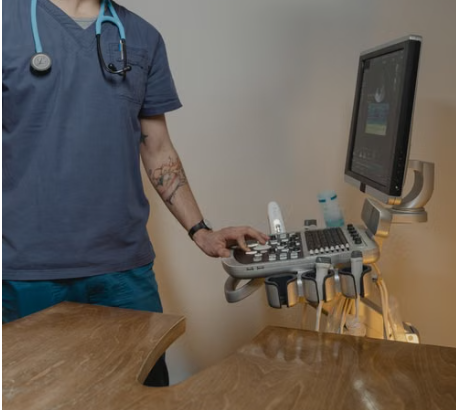
How Urodynamic Tests Work
Urodynamic tests range from simple observation to precise measurements using sophisticated instruments. For simple observation, a health care provider may record the length of time it takes a person to produce a urinary stream, note the volume of urine produced, and record the ability or inability to stop the urine flow in midstream.
For precise measurements, imaging equipment may take pictures of the bladder filling and emptying, pressure monitors may record pressures inside the bladder, and sensors may record muscle and nerve activity. The health care provider decides the type of urodynamic test based on the person’s health information, physical exam, and lower urinary tract symptoms.
Frequently Asked Questions
What is urodynamic testing?
Urodynamic testing is any procedure that looks at how well the bladder, sphincters, and urethra store and release urine.
What symptoms may lead to urodynamic testing?
Lower urinary tract symptoms can include urine leakage, frequent urination, painful urination, sudden strong urges to urinate, problems starting a urine stream, problems emptying the bladder completely, and recurrent urinary tract infections.
What do urodynamic tests measure?
Urodynamic tests can evaluate the bladder’s ability to hold urine and empty steadily and completely. They can also show whether the bladder has involuntary contractions that cause urine leakage.
Do urodynamic tests require special preparation?
Most urodynamic tests do not involve special preparations, though some may require a change in fluid intake, stopping certain medications, or arriving with a full bladder.
Still Have Questions?
What Clients Say
Relief Is Possible. Let’s Find Your Path to It.
Call Advanced Women’s Health of NJ to schedule a private consultation with Dr. Paul Littman. You don’t have to keep managing this on your own.