
Vulvodynia
Vulvodynia is chronic vulvar pain without an identifiable cause. Pain can vary in location, consistency, and severity, and is often described as burning, irritation, or severe ongoing pain.
Call (973) 512-3222 to Make an AppointmentRequest a Consultation
Recognize the Signs of Fibroids
Chronic vulvar pain without an identifiable cause
Burning or severe pain that may affect one or multiple areas of the vulva
Pain triggered or worsened by pressure, including intercourse, tampon insertion, gynecologic exams, prolonged sitting, or fitted pants
What Is Vulvodynia?
Vulvodynia is chronic vulvar pain without an identifiable cause. The location, constancy, and severity of the pain can vary from person to person. Some women experience pain in only one area of the vulva, while others experience pain in multiple areas.
The most commonly reported symptom is burning, though descriptions of the pain vary. On the source page, patients describe the pain as feeling like “acid being poured on my skin” or as “constant knife-like pain.”
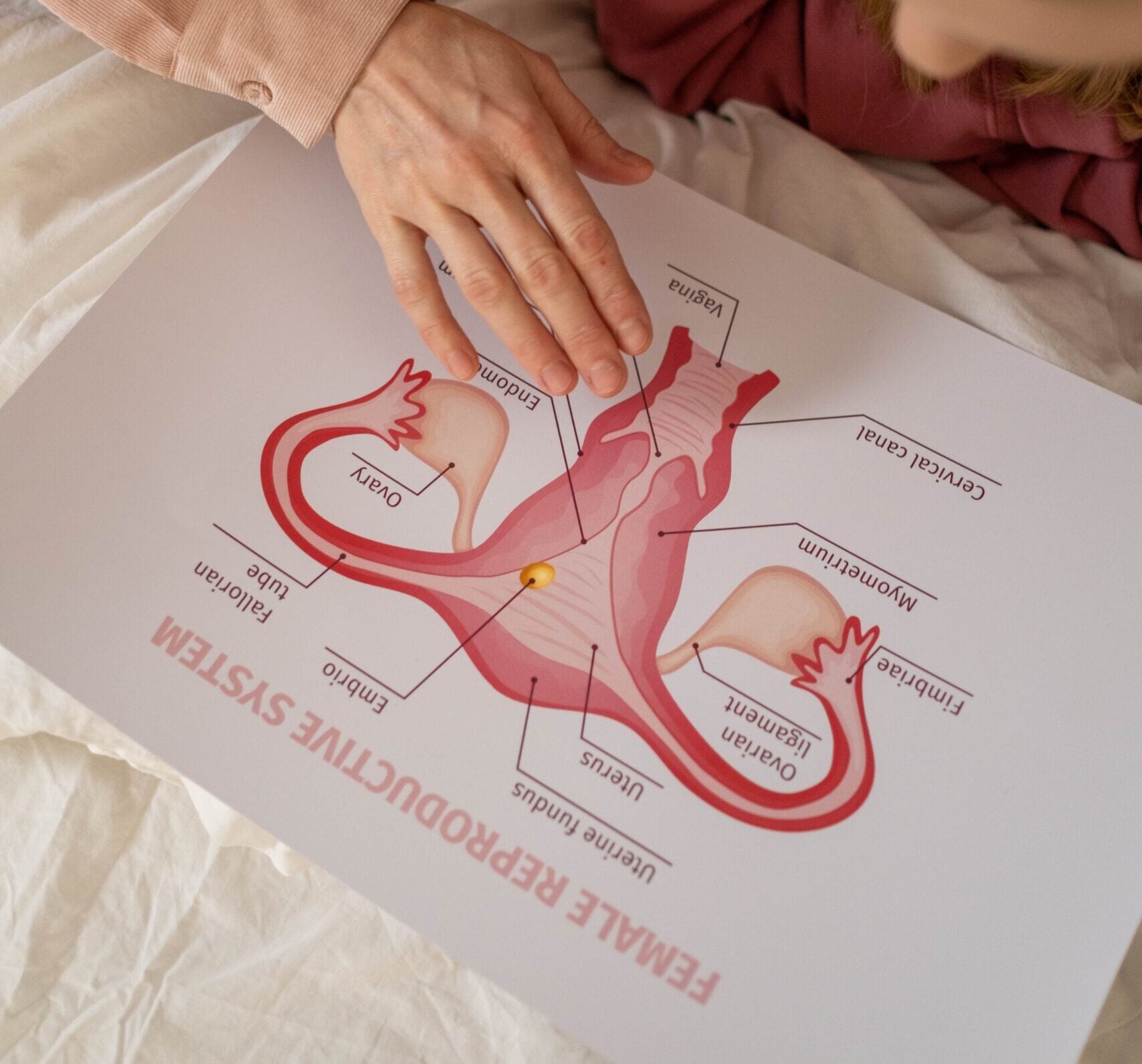
Types of Vulvodynia
There are two main subtypes of vulvodynia, and they may sometimes co-exist.
Vulvar vestibulitis syndrome, or VVS, is characterized by pain limited to the vestibule, the area surrounding the opening of the vagina. This pain occurs during or after pressure is applied to the vestibule, such as with sexual intercourse, tampon insertion, a gynecologic examination, prolonged sitting, or wearing fitted pants. VVS may be classified as primary or secondary. Primary VVS refers to vestibular pain that has been present since the first attempt at vaginal penetration. Secondary VVS refers to pain that develops after a person has previously had pain-free sexual intercourse.
Generalized vulvodynia, or GV, involves pain that occurs spontaneously and is relatively constant, though there may be periods of symptom relief. Activities that apply pressure to the vulva, such as prolonged sitting or wearing pants, typically make symptoms worse. Some women experience pain in one specific area, such as the left labia or near the clitoris, while others experience pain in multiple areas, including the labia, vestibule, and clitoris. Pain may also occur in the perineum and inner thighs.
Frequently Asked Questions
What is vulvodynia?
Vulvodynia is chronic vulvar pain without an identifiable cause. The pain can vary in location, consistency, and severity.
What does vulvodynia pain feel like?
The most commonly reported symptom is burning, but descriptions vary. The source page includes descriptions such as “acid being poured on my skin” and “constant knife-like pain.”
What are the main types of vulvodynia?
The source page lists two main subtypes: vulvar vestibulitis syndrome, also called VVS, and generalized vulvodynia, also called GV. These types can sometimes co-exist.
What can trigger or worsen vulvodynia symptoms?
Pressure on the vulva may trigger or worsen symptoms. Examples from the source page include sexual intercourse, tampon insertion, a gynecologic examination, prolonged sitting, and wearing fitted pants.
Still Have Questions?
Talk with us about your symptoms
Our team in Sparta and Wayne, New Jersey can help you understand your options and build a care plan that fits your goals.