
Interstitial Cystitis
Interstitial cystitis can cause recurring bladder or pelvic discomfort, pressure, tenderness, or pain, along with urinary urgency, frequency, or both.
Request an AppointmentRequest a Consultation
Recognize the Signs of Bladder
Recurring discomfort, pressure, tenderness, or pain in the bladder or pelvic area
Urgent or frequent need to urinate
Symptoms that may change as the bladder fills or empties, worsen during menstruation, or include pain during vaginal intercourse
What Is Interstitial Cystitis?
Interstitial cystitis, or IC, is a condition that results in recurring discomfort or pain in the bladder and the surrounding pelvic region. Symptoms vary from case to case and can even vary within the same person.
People may experience mild discomfort, pressure, tenderness, or intense pain in the bladder and pelvic area. Symptoms may include an urgent need to urinate, a frequent need to urinate, or a combination of both. Pain may change in intensity as the bladder fills with urine or as it empties. Women’s symptoms often get worse during menstruation, and some may experience pain during vaginal intercourse.
Because IC varies so much in symptoms and severity, most researchers believe it is not one disease, but several diseases.
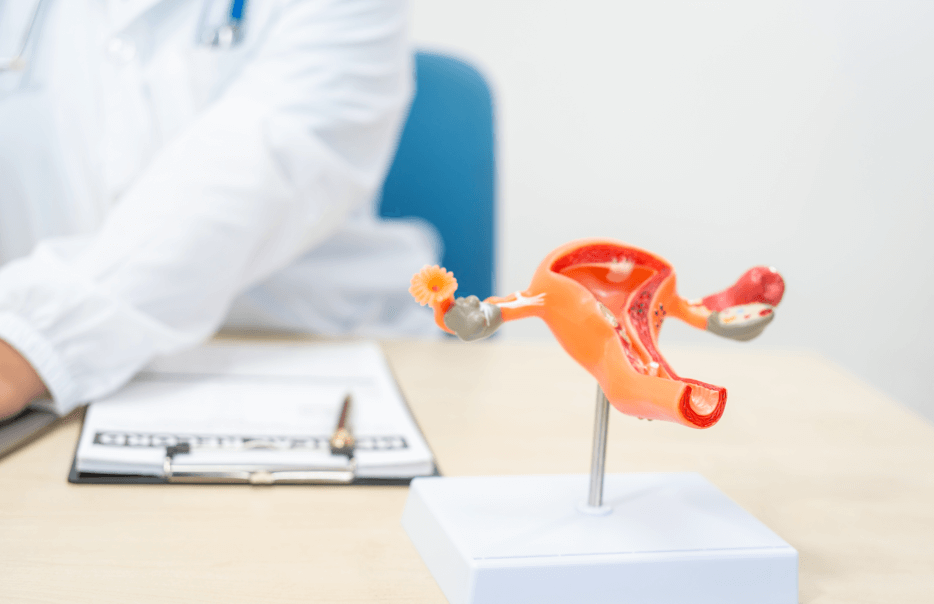
IC, Bladder Pain Syndrome, and Possible Causes
In recent years, scientists have started using the terms bladder pain syndrome, or BPS, and painful bladder syndrome, or PBS, to describe cases with painful urinary symptoms that may not meet the strictest definition of interstitial cystitis. The term IC/PBS includes all cases of urinary pain that cannot be attributed to other causes, such as infection or urinary stones. The term interstitial cystitis, or IC, is used alone when describing cases that meet all of the IC criteria established by the National Institute of Diabetes and Digestive and Kidney Diseases.
Some symptoms of IC/PBS resemble those of a bacterial infection, but medical tests reveal no organisms in the urine of people with IC/PBS. People with IC/PBS also do not respond to antibiotic therapy. Researchers are working to understand the causes of IC/PBS and to find effective treatments.
Many women with IC/PBS have other conditions, such as irritable bowel syndrome and fibromyalgia. Scientists believe IC/PBS may be a bladder manifestation of a more general condition that causes inflammation in various organs and parts of the body.
Researchers are also beginning to explore the possibility that heredity may play a part in some forms of IC. In a few cases, IC has affected a mother and daughter or two sisters, but it does not commonly run in families.
Frequently Asked Questions
What is interstitial cystitis?
Interstitial cystitis, or IC, is a condition that results in recurring discomfort or pain in the bladder and surrounding pelvic region.
What symptoms can interstitial cystitis cause?
Symptoms may include mild discomfort, pressure, tenderness, or intense pain in the bladder and pelvic area, along with an urgent need to urinate, frequent need to urinate, or both.
Can interstitial cystitis symptoms change over time?
Yes. Symptoms can vary from case to case and even in the same person. Pain may change in intensity as the bladder fills with urine or as it empties.
Is interstitial cystitis the same as a bacterial infection?
Some symptoms of IC/PBS resemble a bacterial infection, but medical tests reveal no organisms in the urine of people with IC/PBS, and they do not respond to antibiotic therapy.
What is bladder pain syndrome?
Bladder pain syndrome, or BPS, and painful bladder syndrome, or PBS, are terms used to describe cases with painful urinary symptoms that may not meet the strictest definition of interstitial cystitis.
Still Have Questions?
Talk with us about your symptoms
Our team in Sparta and Wayne, New Jersey can help you understand your options and build a care plan that fits your goals.