
Tubal Ligation Removal
Tubal ligation, often called “having your tubes tied,” is a surgical procedure in which the fallopian tubes are blocked, tied, or cut as a permanent method of birth control.
Call (973) 512-3222 to Make an AppointmentRequest a Consultation
Explore Permanent Birth Control Options
Interest in permanent birth control
Decision not to become pregnant in the future
Need to understand tubal ligation, recovery, and effectiveness
What Is Tubal Ligation?
Tubal ligation, often referred to as “having your tubes tied,” is a surgical procedure in which a woman’s fallopian tubes are blocked, tied, or cut. This procedure stops eggs from traveling from the ovaries into the fallopian tubes, where the egg is normally fertilized by sperm.
A tubal ligation or tubal implant placement is a permanent method of birth control. The source page states that patients should only consider this method when they are sure they will not want to become pregnant in the future.
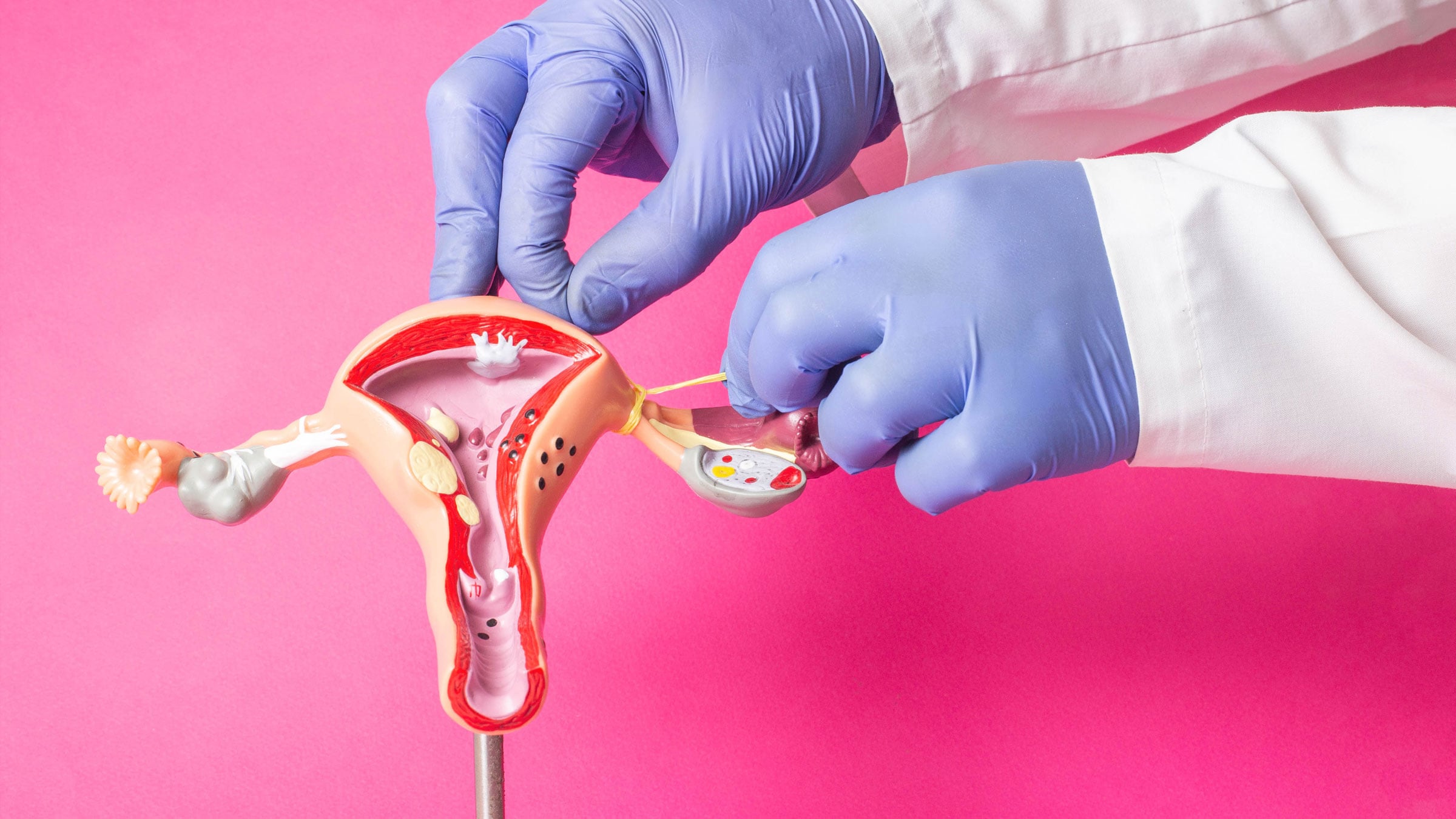
Why It Is Done and What to Expect After Surgery
Permanent birth control may be a reasonable option when a patient does not want children in the future, has a partner who also does not want children but does not want a vasectomy, has considered other birth control methods and does not want their side effects, risks, or costs, has health problems that would be made worse by pregnancy, has a hereditary condition they do not want to pass on, or does not have medical conditions that would make surgery dangerous.
After tubal ligation, patients will most likely go home the same day. The source page notes that patients may have slight vaginal bleeding, abdominal swelling from gas used during laparoscopy, or back or shoulder pain from gas in the abdomen. Patients can shower 24 hours after surgery and are usually able to resume all activities within a week. A follow-up exam is usually scheduled in 2 weeks.
Frequently Asked Questions
What is tubal ligation?
Tubal ligation is a surgical procedure in which the fallopian tubes are blocked, tied, or cut to stop eggs from traveling from the ovaries into the fallopian tubes.
Is tubal ligation permanent?
Yes. The source page describes tubal ligation or tubal implant placement as a permanent method of birth control.
What can happen after tubal ligation surgery?
Patients may have slight vaginal bleeding, abdominal swelling from gas used during laparoscopy, or back or shoulder pain from gas in the abdomen.
How effective is tubal ligation?
Tubal ligation and tubal implants are not 100% effective at preventing pregnancy. The source page states that about 5 out of 1,000 women become pregnant after 1 year, and about 13 out of 1,000 become pregnant after 5 years.
Still Have Questions?
What Clients Say
Relief Is Possible. Let’s Find Your Path to It.
Call Advanced Women’s Health of NJ to schedule a private consultation with Dr. Paul Littman. You don’t have to keep managing this on your own.