Struggling With Constipation or Loss of Bowel Control?
You Don’t Have to Live With It.
Bowel dysfunction is a term that includes many different conditions. At Advanced Women’s Health of NJ, we focus on those primarily involving either constipation or fecal incontinence — and we help women find lasting, compassionate relief.
Request a consultationRequest a Consultation
Bowel Concerns Are Common — and Treatable
Many women quietly struggle with constipation or bowel leakage, often after childbirth or menopause. These conditions are frequently underreported because they feel embarrassing — but they are medical problems with real, effective solutions. Recognizing the signs is the first step toward relief.
Signs of Constipation
Frequent straining, hard stools, a feeling of incomplete emptying, or two or fewer bowel movements per week.
Signs of Bowel Leakage
Leaking stool while passing gas, urgency you can’t reach the bathroom in time for, or a complete loss of bowel control.
How It Affects Daily Life
Planning outings around bathroom access, avoiding exercise or social events, discomfort, and anxiety that quietly narrows your world.
What Causes Constipation?
Constipation usually results from several factors working together. Common contributors include a low-fiber diet, inadequate fluid intake, and a sedentary lifestyle. Pregnancy, childbirth, and the hormonal shifts of menopause can weaken the pelvic floor muscles that support normal bowel movements. Certain medications, thyroid or metabolic conditions, irritable bowel syndrome, and pelvic floor dysfunction — where the muscles fail to relax and coordinate properly — can all play a role as well.
What Is Fecal Incontinence?
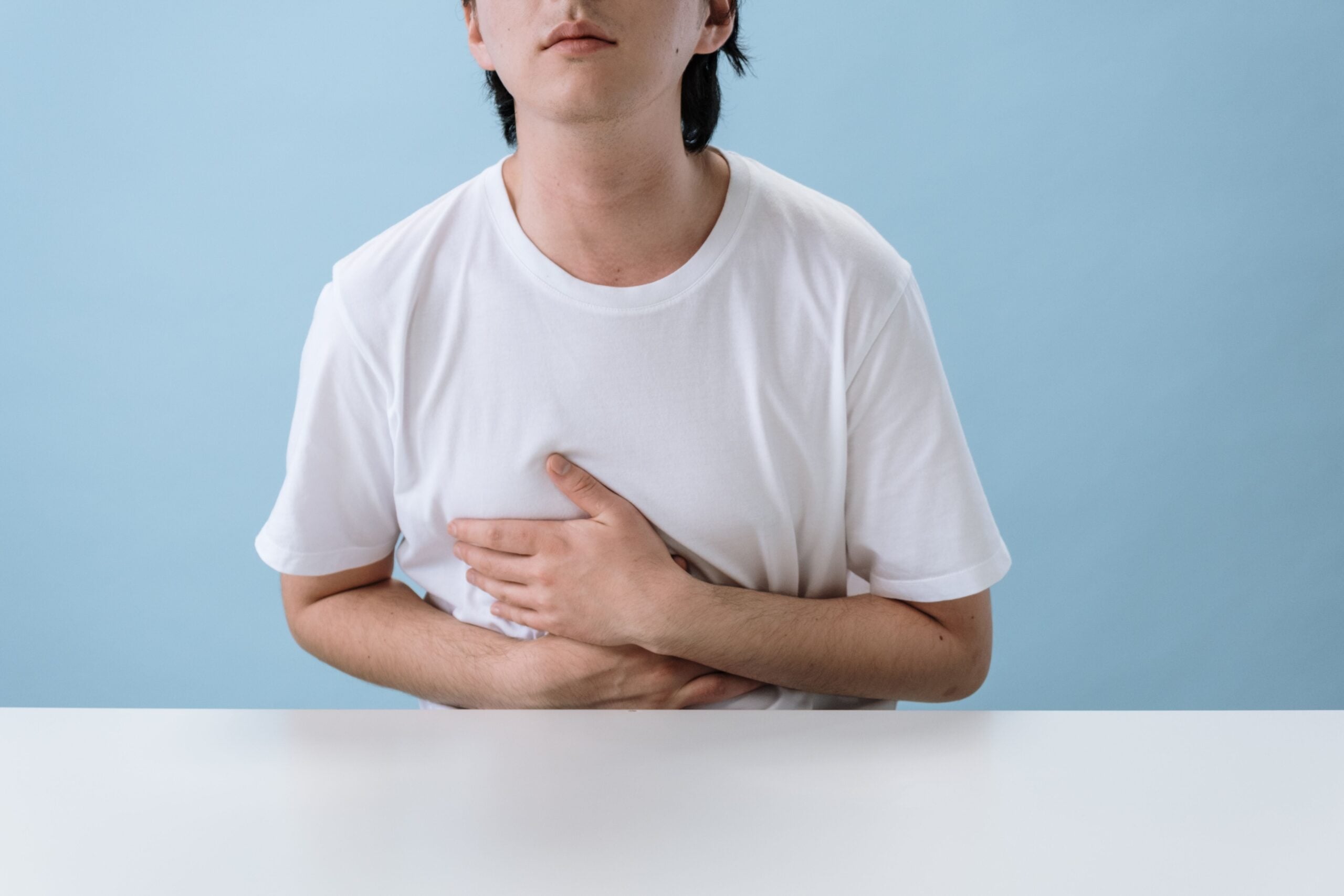
Fecal incontinence is the loss of control over bowel movements, causing stool to leak unexpectedly. It ranges from occasional leakage while passing gas to a complete loss of control — and while it can feel isolating, it is very treatable.
Talk to a SpecialistCommon Causes
Usually a weakened or damaged pelvic floor and sphincter — most often from childbirth, chronic constipation or diarrhea, nerve conditions, or the natural muscle changes of aging and menopause.
Treatment Options
Most women improve with conservative care — diet changes, bowel training, pelvic floor therapy, and biofeedback. For more advanced cases, sacral neuromodulation or sphincter repair can restore control.
Specialized, Discreet Care You Can Trust
Advanced Women’s Health NJ is a fellowship-trained urogynecology practice dedicated to restoring pelvic support, comfort, and confidence for women experiencing pelvic floor conditions.
Our goal is to foster vitality, resilience, and optimal health, enabling each woman to thrive and live her fullest life with confidence and grace.
Board Certified Expertise
Fellowship-Trained and Board-certified in Female Pelvic Medicine and Reconstructive Surgery, with advanced training in the pelvic floor conditions behind bowel dysfunction.
Compassionate & Confidential
These conditions feel private. Every visit is built on listening, dignity, and honest education — never judgment, always a plan.
Full Range of Treatments
From diet and pelvic floor therapy to biofeedback, neuromodulation, and surgery — care matched to your needs, starting conservatively.
What Clients Say
Frequently Asked Questions
Is bowel dysfunction common in women?
Yes — very. Many women experience constipation or some degree of bowel leakage, especially after childbirth or menopause. It is frequently underreported because it feels embarrassing, but it is a genuine medical condition with effective, proven treatments.
When should I see a specialist about constipation?
If constipation persists despite improving your diet, fluids, and activity — or if you notice pain, bleeding, or a sudden change in your bowel habits — it is time to be evaluated. Persistent constipation can point to an underlying pelvic floor problem that responds well to targeted care.
Can fecal incontinence be treated without surgery?
In most cases, yes. The majority of women improve significantly with conservative care such as dietary changes, bowel training, pelvic floor physical therapy, and biofeedback. Surgery is reserved for more advanced cases, and we always begin with the least invasive option that fits your situation.
Are these conditions related to my pelvic floor?
Often, yes. The pelvic floor muscles play a central role in normal bowel function. Childbirth, aging, and menopause can weaken or disrupt these muscles, which is why a urogynecologist — a specialist in the pelvic floor — is uniquely equipped to diagnose and treat bowel dysfunction.
What happens at my first appointment?
Your first visit is a compassionate, confidential conversation. Dr. Littman will listen to your concerns, review your history, and perform a focused evaluation to understand the cause of your symptoms. Together you will build a personalized plan and clear next steps — no pressure, just clarity.
Still Have Questions?
Relief Is Possible. Let’s Find Your Path to It.
Call Advanced Women’s Health of NJ to schedule a private consultation with Dr. Paul Littman. You don’t have to keep managing this on your own.