
Endometriosis
Endometriosis is an often painful condition where tissue similar to the lining of the uterus grows outside the uterus, which can lead to pelvic pain, painful periods, and fertility concerns.
Request an AppointmentRequest a Consultation
Signs you may be experiencing
Pelvic pain that may be worse during menstrual periods
Pain with intercourse, bowel movements, or urination
Heavy bleeding, bleeding between periods, or fertility concerns
What Is Endometriosis?
Endometriosis is an often painful disorder in which tissue that normally lines the inside of the uterus — the endometrium — grows outside the uterus. Endometriosis most commonly involves the ovaries, bowel, or the tissue lining the pelvis. Rarely, endometrial tissue may spread beyond the pelvic region.
With endometriosis, displaced endometrial tissue continues to act as it normally would: it thickens, breaks down, and bleeds with each menstrual cycle. Because this tissue has no way to exit the body, it becomes trapped. Surrounding tissue can become irritated, eventually developing scar tissue and adhesions, which are abnormal bands of tissue that can bind organs together.
This process can cause pain, sometimes severe, especially during a period. Fertility problems may also develop. Effective treatments are available.
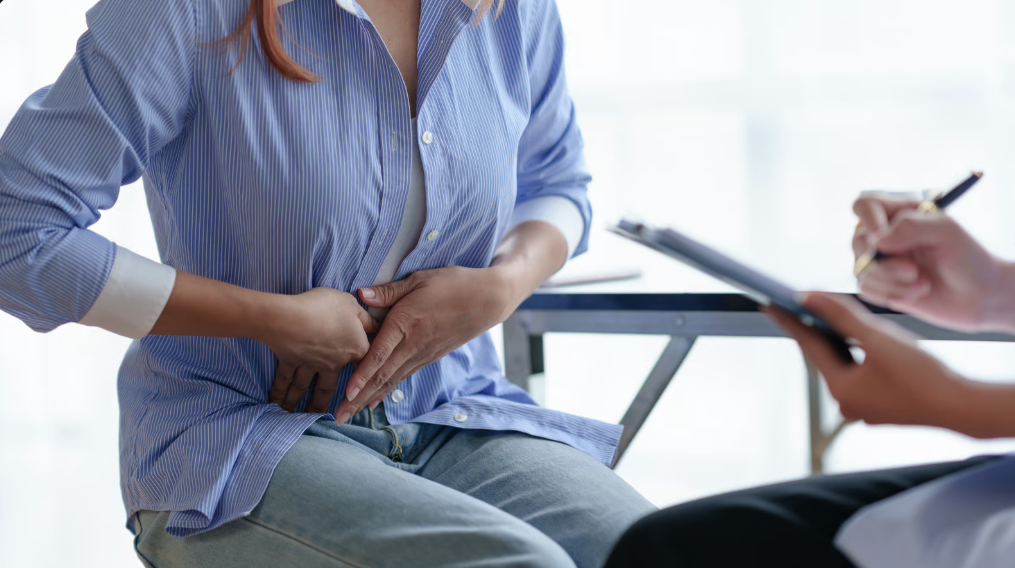
Symptoms, Diagnosis, and Treatment Options
The primary symptom of endometriosis is pelvic pain, often associated with a menstrual period. Although many women experience cramping during their period, women with endometriosis typically describe menstrual pain that is far worse than usual and may report that the pain has increased over time.
Common signs and symptoms may include painful periods, pain during or after intercourse, pain with bowel movements or urination, excessive bleeding, infertility, fatigue, diarrhea, constipation, bloating, or nausea, especially during menstrual periods.
To check for physical clues of endometriosis, a doctor may perform a pelvic exam, ultrasound, or laparoscopy. A pelvic exam may help identify abnormalities such as cysts or scars, though small areas of endometriosis may not be felt unless they have caused a cyst to form. Ultrasound may help identify cysts associated with endometriosis, called endometriomas. Laparoscopy is the only way to know for certain whether endometriosis is present, allowing the doctor to look inside the abdomen for signs of endometrial implants.
Treatment options may include pain medications, hormone therapy, conservative surgery, or hysterectomy. Over-the-counter pain relievers may help ease painful menstrual cramps, but if they do not provide enough relief, another treatment approach may be needed. Hormonal therapies may reduce or eliminate endometriosis pain, though symptoms may recur after treatment stops.
For patients trying to become pregnant, surgery to remove endometrial implants may increase the chance of success. Patients with severe pain may also benefit from surgery. Conservative surgery removes endometrial growths, scar tissue, and adhesions without removing the reproductive organs. In severe cases, surgery to remove the uterus and cervix, and sometimes both ovaries, may be considered a last resort, especially for women still in their reproductive years.
Frequently Asked Questions
What is endometriosis?
Endometriosis is a disorder where tissue that normally lines the inside of the uterus grows outside the uterus. It most commonly involves the ovaries, bowel, or tissue lining the pelvis.
What are common symptoms of endometriosis?
Common symptoms may include pelvic pain, painful periods, pain during or after intercourse, pain with bowel movements or urination, excessive bleeding, infertility, fatigue, diarrhea, constipation, bloating, or nausea.
How is endometriosis diagnosed?
Tests may include a pelvic exam, ultrasound, or laparoscopy. Laparoscopy is the only way for a doctor to know for certain that endometriosis is present.
What treatments are available for endometriosis?
Treatment options may include pain medications, hormone therapy, conservative surgery, or hysterectomy, depending on symptoms, severity, and the patient’s goals.
Still Have Questions?
Frequently Asked Questions
Endometriosis is a disorder where tissue that normally lines the inside of the uterus grows outside the uterus. It most commonly involves the ovaries, bowel, or tissue lining the pelvis.
Common symptoms may include pelvic pain, painful periods, pain during or after intercourse, pain with bowel movements or urination, excessive bleeding, infertility, fatigue, diarrhea, constipation, bloating, or nausea.
Tests may include a pelvic exam, ultrasound, or laparoscopy. Laparoscopy is the only way for a doctor to know for certain that endometriosis is present.
Treatment options may include pain medications, hormone therapy, conservative surgery, or hysterectomy, depending on symptoms, severity, and the patient’s goals.
Talk with us about your symptoms
Our team in Sparta and Wayne, New Jersey can help you understand your options and build a care plan that fits your goals.