
Ovarian Cysts
Ovarian cysts are fluid-filled sacs or pockets within or on the surface of an ovary. Many are harmless and go away on their own, but some can cause discomfort or serious symptoms.
Request an AppointmentRequest a Consultation
Recognize These Common Pelvic Symptoms
Pelvic pain, abdominal discomfort, or pain during intercourse
Menstrual irregularities, fullness, heaviness, or pressure in the abdomen
Frequent urination or difficulty emptying the bladder when a cyst presses on the bladder
What Are Ovarian Cysts?
Ovarian cysts are fluid-filled sacs or pockets within or on the surface of an ovary. Women have two ovaries, each about the size and shape of an almond, located on each side of the uterus. Eggs develop and mature in the ovaries and are released in monthly cycles during the childbearing years.
Many women have ovarian cysts at some time during their lives. Most ovarian cysts cause little or no discomfort and are harmless. The majority disappear without treatment within a few months.
However, ovarian cysts, especially those that have ruptured, can sometimes produce serious symptoms. The best ways to protect your health are to know the symptoms that may signal a more significant problem and to schedule regular pelvic examinations.
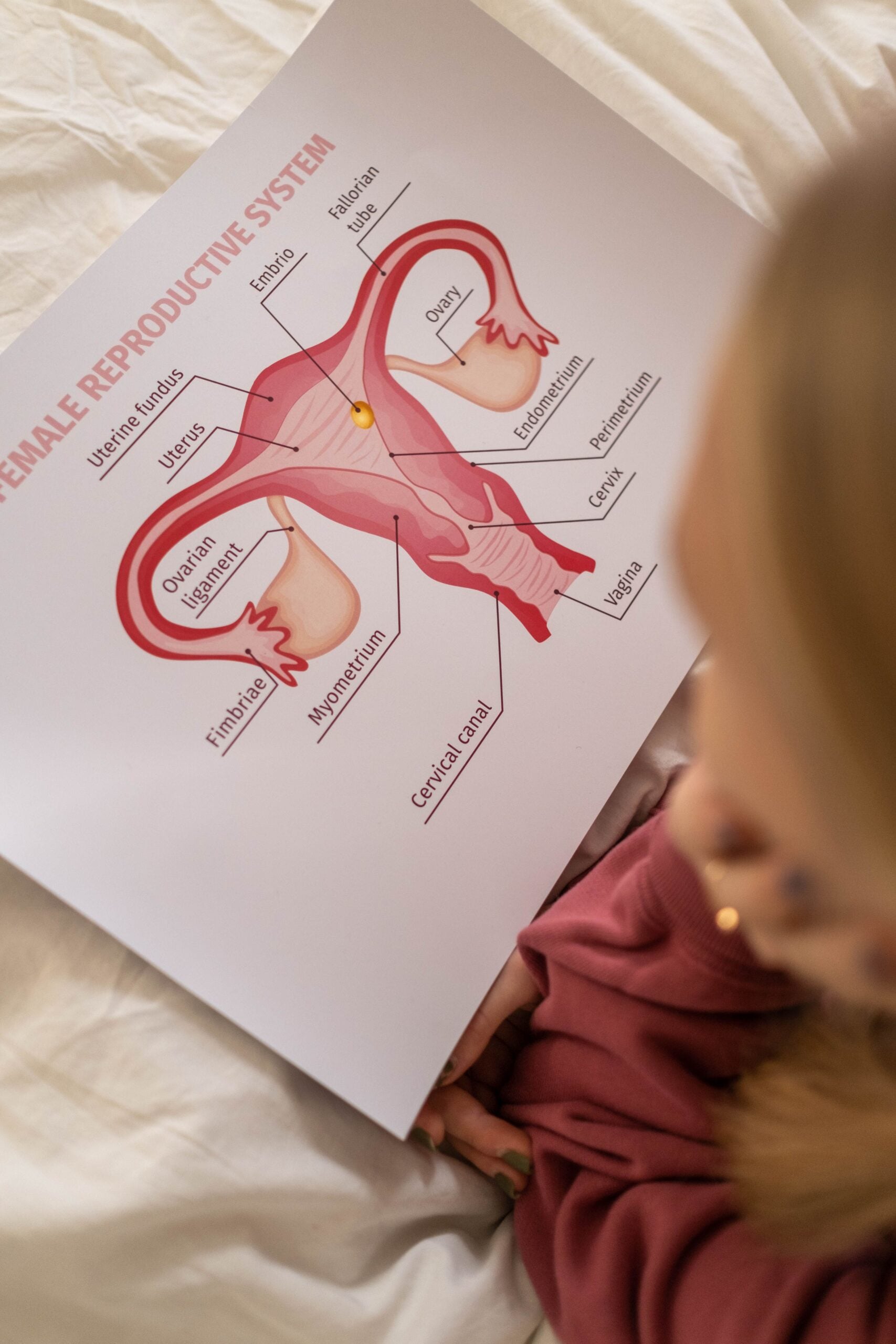
Symptoms and Common Causes of Ovarian Cysts
Most ovarian cysts do not cause symptoms and go away on their own. A large ovarian cyst can cause abdominal discomfort. If a large cyst presses on the bladder, it may cause a need to urinate more frequently because bladder capacity is reduced.
When symptoms are present, they may include menstrual irregularities; pelvic pain that may be constant or intermittent and may radiate to the lower back and thighs; pelvic pain shortly before a period begins or just before it ends; pelvic pain during intercourse; pain during bowel movements or pressure on the bowels; nausea, vomiting, or breast tenderness similar to pregnancy; fullness or heaviness in the abdomen; and pressure on the rectum or bladder that causes frequent urination or difficulty emptying the bladder completely.
The ovaries normally grow cyst-like structures called follicles each month. Follicles produce estrogen and progesterone and release an egg during ovulation. Sometimes a normal monthly follicle continues growing and becomes a functional cyst. Functional cysts are usually harmless, rarely cause pain, and often disappear on their own within two or three menstrual cycles.
Other cysts are not related to the normal function of the menstrual cycle. These include dermoid cysts, which may contain tissue such as hair, skin, or teeth; cystadenomas, which develop from ovarian tissue and may be filled with watery liquid or mucous material; and endometriomas, which can develop as a result of endometriosis when uterine endometrial cells grow outside the uterus and attach to the ovary.
Dermoid cysts and cystadenomas can become large, causing the ovary to move out of its usual position in the pelvis. This increases the chance of painful twisting of the ovary, called ovarian torsion.
Frequently Asked Questions
What are ovarian cysts?
Ovarian cysts are fluid-filled sacs or pockets within or on the surface of an ovary.
Are ovarian cysts common?
Yes. Many women have ovarian cysts at some time during their lives. Most cause little or no discomfort and are harmless.
Do ovarian cysts go away on their own?
Many ovarian cysts disappear without treatment within a few months. Functional cysts often disappear on their own within two or three menstrual cycles.
What symptoms can ovarian cysts cause?
Symptoms may include menstrual irregularities, pelvic pain, pain during intercourse, pain during bowel movements, nausea, vomiting, breast tenderness, abdominal fullness or heaviness, frequent urination, or difficulty emptying the bladder completely.
What causes ovarian cysts?
Some ovarian cysts form when a normal monthly follicle keeps growing. Other types include dermoid cysts, cystadenomas, and endometriomas.
Still Have Questions?
Talk with us about your symptoms
Our team in Sparta and Wayne, New Jersey can help you understand your options and build a care plan that fits your goals.