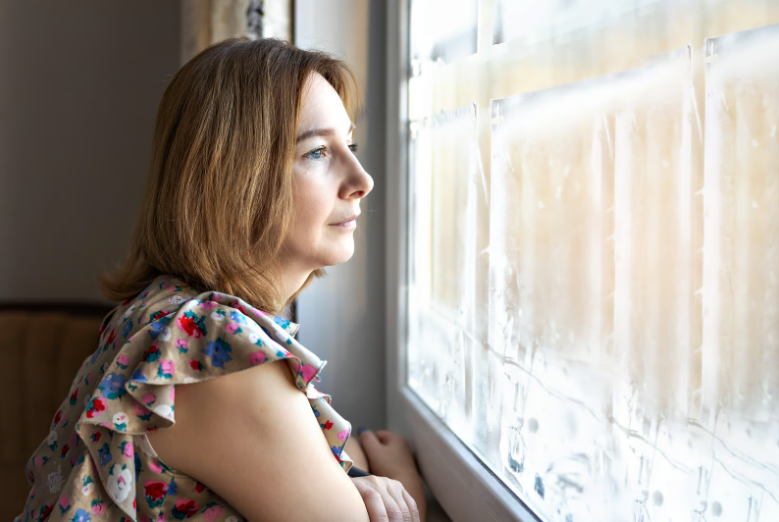

Fall often brings a welcome return to routine. The days become cooler, schedules become busier, and many of us shift from the flexibility of summer into a faster pace of work, school, family activities, and holiday planning.
It is also a time when changes in daylight, temperature, and daily responsibilities can affect your sleep, energy, mood, and overall well-being. For women in their 40s and 50s, these seasonal shifts may overlap with perimenopause or menopause symptoms, making fatigue, disrupted sleep, or mood changes more noticeable.
A fall wellness reset does not require an extreme diet, a complicated supplement routine, or a complete lifestyle overhaul. A few consistent habits can help support your energy, sleep, and normal immune function as the season changes.
1. Rebuild a Consistent Sleep Routine
Sleep is one of the foundations of good health. It supports concentration, mood, metabolism, cardiovascular health, and the immune system. Yet many women enter fall already feeling behind on rest.
Start by setting a consistent wake-up time, including on weekends when possible. A regular morning routine helps reinforce your body’s internal clock and can make it easier to fall asleep at night.
Other helpful sleep habits include:
- Allowing enough time for seven to nine hours of sleep
- Creating a calming routine before bed
- Keeping the bedroom cool, quiet, and dark
- Avoiding large meals close to bedtime
- Limiting caffeine later in the day
- Reducing alcohol, which may make you sleepy initially but can disrupt sleep later
- Putting away phones, tablets, and other bright screens before bed
- Getting natural light soon after waking
If hot flashes or night sweats are interrupting your sleep, use breathable bedding, dress in light layers, and keep the room comfortably cool. These steps may improve comfort, but ongoing symptoms deserve a conversation with a healthcare professional.
Snoring, gasping during sleep, morning headaches, or persistent daytime exhaustion may be signs of a sleep disorder such as obstructive sleep apnea. Women can develop sleep apnea, and risk may increase during and after menopause.
2. Use Morning Light to Support Energy and Mood
As daylight decreases, your sleep-wake cycle may shift. Some people find it harder to wake up, feel tired earlier, or notice changes in mood during fall and winter.
Getting outside in the morning can help your brain recognize that the day has begun. Try opening the curtains when you wake up and spending some time outdoors during the first part of the day. A morning walk can provide the combined benefits of natural light, fresh air, and movement.
If you consistently feel depressed, lose interest in activities, withdraw from others, or experience significant changes in sleep and appetite during fall and winter, talk with a healthcare professional. Seasonal affective disorder is a form of depression—not simply a dislike of cold weather—and effective treatment is available.
Seek immediate help if you have thoughts of harming yourself or feel that you are in crisis.
3. Build Meals Around Steady Energy
Busy fall schedules can make it tempting to skip meals, rely on snacks, or reach for caffeine and sugar when energy drops. These choices may provide a short-term lift, but they can leave you feeling more tired later.
Instead of focusing on restrictive rules, aim to build balanced meals that include:
- A source of protein, such as fish, poultry, eggs, yogurt, beans, lentils, or tofu
- Fiber-rich carbohydrates, such as oats, brown rice, quinoa, beans, fruit, or whole-grain bread
- Vegetables or fruit in a variety of colors
- Healthy fats from foods such as nuts, seeds, olive oil, or avocado
Protein and fiber can help meals feel satisfying and provide steadier energy. Seasonal foods such as apples, pears, squash, sweet potatoes, leafy greens, and pumpkin can make nutritious meals feel appropriate for the cooler weather.
No single food can prevent a cold or “boost” the immune system on its own. The immune system is complex and depends on adequate nutrition, sleep, physical activity, vaccination, and overall health. A varied eating pattern is more useful than relying on one ingredient or supplement.
4. Stay Hydrated as the Weather Cools
It is easy to drink less water when temperatures drop because you may not feel as thirsty as you did during summer. However, your body still needs fluid to support circulation, digestion, temperature regulation, and normal physical and mental performance.
Keep water nearby during the day and drink regularly instead of waiting until you feel very thirsty. Unsweetened tea, milk, soups, and water-rich foods can also contribute to fluid intake.
If frequent urination or bladder urgency leads you to restrict fluids, talk with a healthcare professional. Drinking too little can make urine more concentrated, which may irritate the bladder in some people. A better approach is often to spread fluids throughout the day and notice whether certain beverages—such as caffeine, alcohol, or carbonated drinks—make symptoms worse.
5. Choose Movement You Can Maintain
Exercise does not need to be intense to be valuable. Regular physical activity can support energy, sleep, mood, heart health, muscle strength, bone health, and immune function.
A balanced routine may include:
- Brisk walking or another form of aerobic activity
- Strength training for major muscle groups
- Balance exercises
- Mobility or stretching work
- Activities you genuinely enjoy
National guidelines generally recommend that adults work toward at least 150 minutes of moderate-intensity aerobic activity each week, along with muscle-strengthening activities on at least two days. If that feels out of reach, begin with what is manageable. Even short periods of movement count.
A 10-minute walk after lunch, a brief strength routine at home, or stretching between meetings can be a meaningful starting point. Consistency matters more than perfection.
If exercise causes bladder leakage, pelvic pressure, heaviness, or pain, do not assume you need to stop moving. These symptoms can be evaluated, and your routine may be modified while you explore appropriate treatment or pelvic floor support.
6. Protect Your Health During Cold and Flu Season
Fall also marks the beginning of a period when respiratory infections become more common. You cannot eliminate every exposure, but several evidence-based habits can lower risk and support your health.
Consider these practical steps:
- Stay current on recommended vaccines, including seasonal influenza and updated COVID-19 vaccination when appropriate
- Ask your healthcare professional whether you are eligible for other vaccines based on your age, health history, pregnancy status, or risk factors
- Wash your hands regularly with soap and water
- Avoid touching your eyes, nose, and mouth with unwashed hands
- Cover coughs and sneezes
- Improve indoor ventilation when practical
- Avoid close contact with others when you are sick
- Consider masking in crowded indoor settings or when respiratory illnesses are circulating widely
- Clean frequently touched surfaces when someone in your household is ill
Vaccination recommendations can change and may differ based on age and medical history. Your healthcare professional or pharmacist can help you determine which vaccines are appropriate for you.
7. Be Thoughtful About Vitamins and Supplements
Fall often brings advertisements for supplements that promise to prevent illness, restore energy, or dramatically strengthen immunity. These claims are frequently broader than the evidence supports.
Vitamins and minerals are important, but more is not always better. High doses can cause side effects, interact with medications, or create health risks.
Vitamin D deserves particular attention during seasons with less sunlight. Some people are at higher risk for low vitamin D levels, but routine high-dose supplementation is not appropriate for everyone. Your clinician can consider your diet, sun exposure, medical history, medications, and individual risk factors when deciding whether testing or supplementation makes sense.
Do not use supplements as a substitute for sleep, balanced nutrition, vaccination, or medical evaluation. If you take any vitamins, herbs, or over-the-counter products, include them on your medication list and discuss them with your healthcare professional.
8. Give Stress Management a Place in Your Routine
Fall calendars can fill quickly. Work demands, school activities, caregiving, appointments, and holiday preparations may leave little time to recover.
Chronic stress can interfere with sleep, digestion, concentration, mood, and healthy routines. You cannot always remove the source of stress, but you can build small periods of recovery into the day.
That might mean:
- Taking a short walk without your phone
- Practicing slow breathing for a few minutes
- Protecting time for meals
- Saying no to a nonessential commitment
- Scheduling time with supportive people
- Returning to an activity you enjoy
- Asking for help before you feel overwhelmed
Stress management should not become another task you feel pressured to perform perfectly. Choose one realistic practice that helps your body and mind slow down.
9. Pay Attention to Changes in Your Body
Fatigue, poor sleep, and low motivation are often blamed on a busy schedule or the changing season. Sometimes that explanation is accurate. In other cases, symptoms may be connected to anemia, thyroid disease, sleep apnea, depression, medication side effects, perimenopause, or another health concern.
Consider scheduling a medical visit if you experience:
- Fatigue that lasts for several weeks
- Exhaustion that interferes with normal activities
- Significant changes in mood or motivation
- Persistent sleep problems
- Heavy or irregular periods
- Frequent hot flashes or night sweats
- Unexplained weight changes
- Shortness of breath, dizziness, or heart palpitations
- New pelvic pressure, bladder symptoms, or discomfort
- Symptoms that continue despite improving your daily habits
Healthy habits can support your well-being, but they are not a replacement for medical care when something feels wrong.
Create a Fall Reset You Can Actually Maintain
A useful wellness reset should make daily life feel more manageable—not create a new list of impossible expectations.
Instead of changing everything at once, choose two or three habits to practice consistently. You might decide to:
- Wake up at the same time each day
- Take a 15-minute morning walk
- Add protein and produce to your first meal
- Keep water at your desk
- Schedule two brief strength-training sessions each week
- Put your phone away 30 minutes before bed
- Schedule an overdue preventive or women’s health visit
Small changes become meaningful when they are repeated. Pay attention to how your energy, sleep, mood, and symptoms respond, and adjust your routine without judging yourself for an imperfect day.
Start the Season With Greater Clarity
Fall is a natural time to check in with your body and rebuild routines that support your health. Better sleep, nourishing meals, regular movement, preventive care, and realistic stress management can help create a stronger foundation for the months ahead.
If low energy, disrupted sleep, hormonal changes, irregular periods, bladder symptoms, or pelvic health concerns are affecting your daily life, you do not have to dismiss them as an unavoidable part of getting older.
Dr. Paul Littman and the team at Advanced Women’s Health NJ are here to listen, evaluate your concerns, and help you understand your options.
To schedule a consultation, call (973) 512-3222.
This article is for educational purposes only and does not replace personalized medical advice, diagnosis, or treatment. Please consult a qualified healthcare professional about recommendations specific to your symptoms, medical history, and current medications. All medical content should receive final clinical review before publication.