
Conditions such as uterine fibroids, abnormal bleeding, pelvic pain, and endometriosis can significantly affect daily life. When symptoms persist despite conservative treatment, surgery may be considered.
Two procedures that may be performed using robotic-assisted technology are hysterectomy and myomectomy. Although both can be completed through small incisions, they have different purposes. Understanding those differences can help you have a more informed conversation with your surgeon.
What Is a Robotic Hysterectomy?
A hysterectomy is a procedure that removes the uterus. Depending on the patient’s diagnosis and individual needs, the cervix, fallopian tubes, or ovaries may also be removed. These decisions are made separately and should be discussed with the surgeon before the procedure.
A hysterectomy may be considered for conditions such as:
- Symptomatic uterine fibroids
- Persistent abnormal or heavy uterine bleeding
- Adenomyosis
- Uterine prolapse
- Chronic pelvic pain caused by certain gynecologic conditions
- Endometriosis in carefully selected cases
- Other uterine conditions that have not responded to conservative care
After a hysterectomy, pregnancy is no longer possible, and menstrual periods stop. Removing the uterus does not automatically mean the ovaries must also be removed. If the ovaries remain, they may continue producing hormones until natural menopause.
What Is a Robotic Myomectomy?
A myomectomy removes uterine fibroids while preserving the uterus. It may be an option for patients who want to maintain the possibility of pregnancy or who prefer a uterus-preserving treatment when medically appropriate.
During the procedure, the surgeon removes the fibroids and repairs the uterine muscle. Whether a robotic myomectomy is appropriate depends on several factors, including:
- The number of fibroids
- Their size and location
- The severity of symptoms
- Previous treatments or surgeries
- Overall health
- Future pregnancy goals
Because a myomectomy preserves the uterus, new fibroids may develop in the future, and existing fibroids that are too small to detect may grow over time.
How Does Robotic-Assisted Surgery Work?
During robotic-assisted surgery, the surgeon remains in complete control of the procedure. The robotic system translates the surgeon’s hand movements into precise movements of small instruments placed through several abdominal incisions.
The system also provides a magnified, three-dimensional view of the surgical area. Its wristed instruments allow the surgeon to work with a broad range of motion, which can be especially useful when operating within the confined spaces of the pelvis or repairing the uterus after fibroid removal.
Potential Benefits of a Minimally Invasive Approach
When compared with traditional open abdominal surgery, a robotic-assisted approach may offer potential benefits for appropriately selected patients, including:
- Smaller incisions
- Less blood loss
- Reduced postoperative discomfort
- A shorter hospital stay
- A faster return to many daily activities
- Smaller external scars
Individual outcomes vary, and robotic-assisted surgery is not the right choice for every patient. In some situations, an open or traditional laparoscopic approach may be safer or more appropriate.
Choosing Between Hysterectomy and Myomectomy
The best procedure depends on much more than the presence of fibroids or pelvic pain. Your surgeon will consider your diagnosis, symptom severity, medical history, uterine anatomy, previous treatments, and reproductive goals.
A myomectomy may be considered when preserving the uterus is important and fibroid removal is technically appropriate. A hysterectomy may offer a definitive uterine treatment when symptoms are severe, other treatments have not worked, or future pregnancy is not desired.
Neither option is automatically right for every patient. The decision should follow a careful evaluation and a clear discussion of the benefits, limitations, alternatives, and possible risks.
What Should You Ask During a Consultation?
If you are considering surgery, helpful questions include:
- What is causing my symptoms?
- Are nonsurgical treatments still available?
- Am I a candidate for minimally invasive surgery?
- Would myomectomy or hysterectomy better address my condition?
- How could each option affect fertility or hormone function?
- What are the risks and expected recovery time?
- Could the procedure require conversion to open surgery?
- What symptoms should I expect during recovery?
A Personalized Path Forward
Living with heavy bleeding, fibroid-related pressure, endometriosis symptoms, or chronic pelvic pain can affect work, relationships, exercise, and overall well-being. An evaluation can help clarify the cause and determine whether conservative treatment, a minimally invasive procedure, or another approach is appropriate.
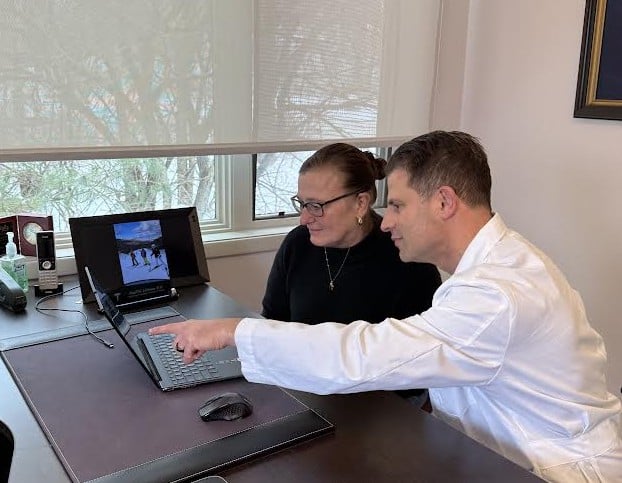
Dr. Paul Littman and Advanced Women’s Health NJ provide individualized evaluation and advanced surgical care for complex gynecologic and pelvic health conditions. When surgery is recommended, the goal is to select an approach based on your diagnosis, health, and personal priorities.
Schedule a consultation to discuss your symptoms and learn whether robotic-assisted surgery may be an appropriate part of your treatment plan.
This article is intended for general educational purposes and does not replace personalized medical advice. All surgery carries risks, including bleeding, infection, injury to nearby tissues or organs, and complications related to anesthesia. Minimally invasive procedures may take longer or require conversion to open surgery. Consult a qualified physician to discuss the risks, benefits, and alternatives for your specific condition.