Most women think of osteoporosis as something that happens much later in life. It is often imagined as a concern for the 70s or 80s, after menopause has been in place for many years.
But bone health does not suddenly become important at 65. In many women, bone loss begins much earlier, often in midlife, and the pace can increase significantly during the menopause transition.
That is why I believe bone health deserves attention before a woman has already lost significant bone density.
Osteoporosis Is Often Silent Until It Is Serious
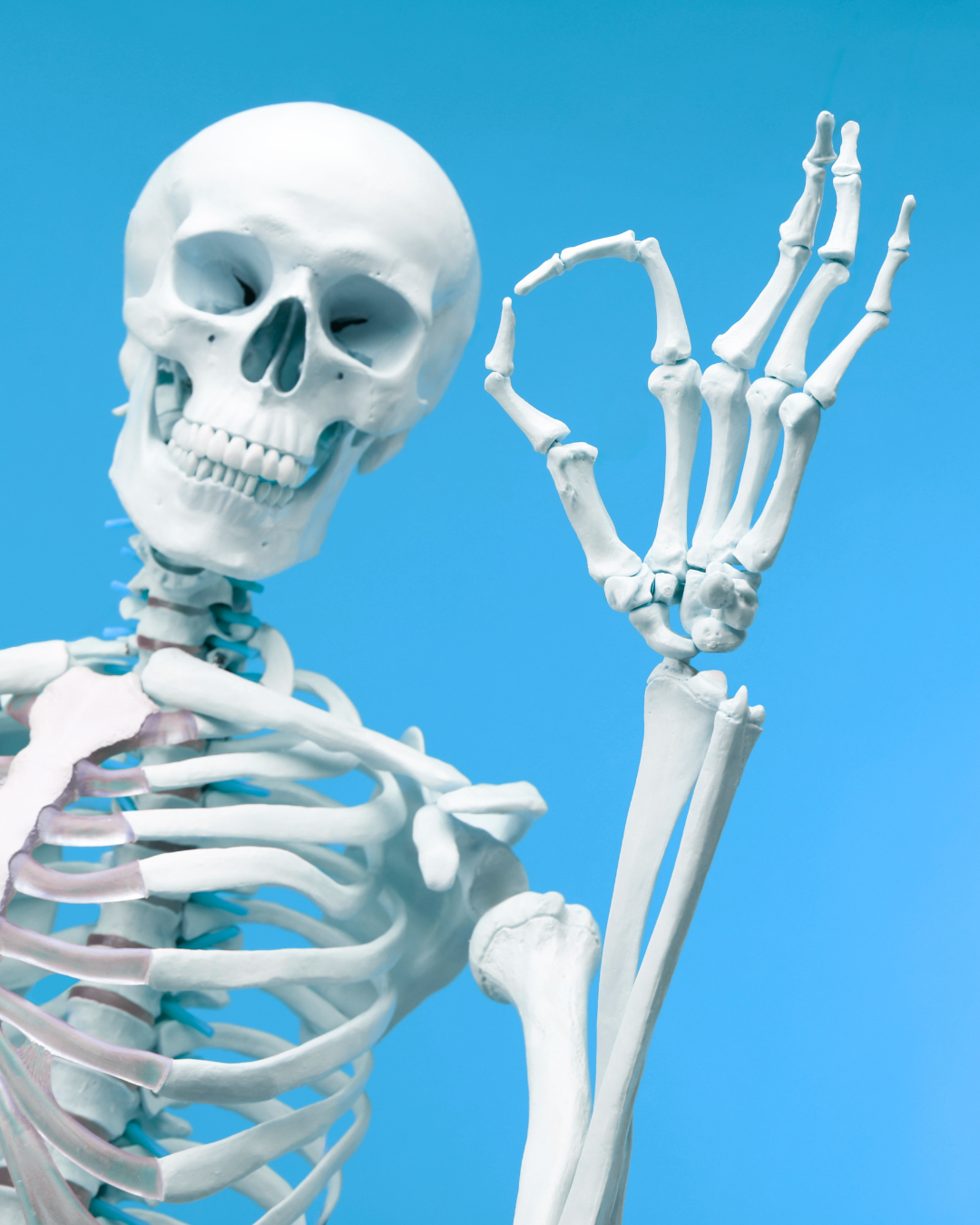
Osteoporosis is sometimes called a “silent disease” because many women do not feel their bones becoming weaker. There may be no pain, no obvious warning sign, and no change in daily life until a fracture occurs.
The Bone Health & Osteoporosis Foundation explains that bones are living tissue, constantly breaking down and rebuilding. After peak bone mass is reached, usually in early adulthood, the balance can shift over time so that more bone is lost than replaced. In midlife, this process often speeds up, and for many women it accelerates after menopause as estrogen levels decline. In the five to seven years after menopause, women can lose up to 20% or more of their bone density.
That matters because once bone density is lost, the goal often shifts from prevention to management. Prevention is always the better strategy.
Why Menopause Changes the Bone Health Conversation
Estrogen plays an important role in helping maintain bone strength. As estrogen levels decline during perimenopause and menopause, bone loss can become more rapid. The Bone Health & Osteoporosis Foundation notes that the drop in estrogen around menopause is one reason the chance of developing osteoporosis increases for women.
This is one of the reasons I talk with patients about midlife health as a proactive stage, not a waiting period. Perimenopause is not only about hot flashes, sleep changes, mood shifts, or menstrual changes. It is also a time to evaluate long term health risks, including bone health, cardiovascular health, metabolic health, pelvic health, and overall vitality.
At Advanced Women’s Health NJ, our approach is centered on education, personalized care, and thoughtful treatment planning for women through perimenopause, menopause, and beyond. Dr. Littman’s practice focuses on women’s health, pelvic floor conditions, hormonal care, and long term wellness, with locations in Sparta and Wayne, NJ.
Should You Get a Bone Density Test Before Menopause?
A bone density test, often called a DEXA scan, is a simple, painless test that measures bone mineral density. Current guidance generally recommends bone mineral density screening for all women age 65 and older. ACOG also notes that women younger than 65 who are past menopause should be tested when they have a higher fracture risk.
But guidelines are not meant to replace individualized care.
Some women should start the conversation earlier, especially if they have risk factors such as:
- A family history of osteoporosis or hip fracture
- Early menopause or removal of the ovaries
- Long term steroid use
- Low body weight
- History of fracture as an adult
- Smoking
- Heavy alcohol use
- Low calcium or vitamin D intake
- Certain thyroid, gastrointestinal, autoimmune, or inflammatory conditions
- Long gaps without menstrual periods before menopause
For these women, waiting until 65 may mean missing an opportunity to identify low bone density earlier.
Even when a DEXA scan is not immediately needed, a bone health discussion in the 40s and 50s can help women understand their personal risk and create a plan to protect bone strength before menopause accelerates the process.
The Best Osteoporosis Treatment Is Prevention
Once osteoporosis develops, treatment may involve medications, fall prevention, nutrition changes, strength training, and monitoring. These tools are important and can be very effective.
But the best time to protect bone health is before a fracture happens.
The Bone Health & Osteoporosis Foundation recommends several core prevention steps, including getting enough calcium and vitamin D, eating a balanced diet, engaging in regular exercise, eating foods that support bone health, avoiding smoking, and limiting alcohol.
Exercise is especially important. Weight-bearing and muscle-strengthening exercises help support bone density, balance, posture, and strength. This does not mean every woman needs an intense fitness routine. It means movement should be intentional, consistent, and appropriate for her body and health history.
Bone Health Is Part of Midlife Vitality
Many women come into midlife feeling like changes are happening all at once. Sleep may be different. Weight may shift. Periods may become irregular. Bladder symptoms may appear. Energy may change. Sex may feel different. Then, quietly in the background, bone density may also be declining.
This is why midlife care should not be limited to treating symptoms after they become disruptive. It should include prevention, education, and a clear plan.
At Advanced Women’s Health NJ, I want women to feel informed and supported through every stage of life. Bone density is one piece of that larger picture. The goal is not only to help women avoid disease, but to help them stay active, confident, and strong for decades to come.
What I Recommend Women Do Now
If you are in your 40s, 50s, or approaching menopause, do not assume bone health can wait. Start by asking:
Have I ever discussed my osteoporosis risk with my clinician?
Do I have risk factors that may justify earlier testing?
Am I getting enough calcium, vitamin D, protein, and strength-building activity?
Have I had changes in my menstrual cycle, hormones, or health history that may affect my bones?
Would a baseline bone density test make sense for me?
The answer will not be the same for every woman. That is exactly why this should be individualized.
A Preventive Conversation Can Make a Long Term Difference
Osteoporosis prevention starts long before a woman reaches her 70s. For many women, the most meaningful opportunity comes during perimenopause and early menopause, when there is still time to protect bone density, reduce risk, and build habits that support long term health.
So why wait until menopause has already passed to start thinking about your bones?
Your future strength starts with the conversations and choices you make today.