
Lasting Relief From Urgency, Leaks & Overactive Bladder
Bladder Botox in NJ
Botox is a safe, well-tolerated, in-office treatment that calms an overactive bladder and reduces urinary incontinence — often when other treatments haven’t worked.
Request a consultationRequest a Consultation
Conditions Bladder Botox Can Treat
Botox has far-reaching medical uses beyond cosmetics. For bladder health it is an effective option across a wide range of conditions — from everyday overactive bladder to complex neurological cases.
Overactive Bladder
Frequent, sudden urges to urinate that are hard to control — often with daytime frequency and waking at night.
Urge Incontinence
Leaking urine the moment a strong urge hits, before you can reach the bathroom in time.
Neurogenic Bladder
Bladder overactivity from neurological conditions, including severely spastic bladders that haven’t responded to other treatments.
A Trusted Medicine With Far-Reaching Uses
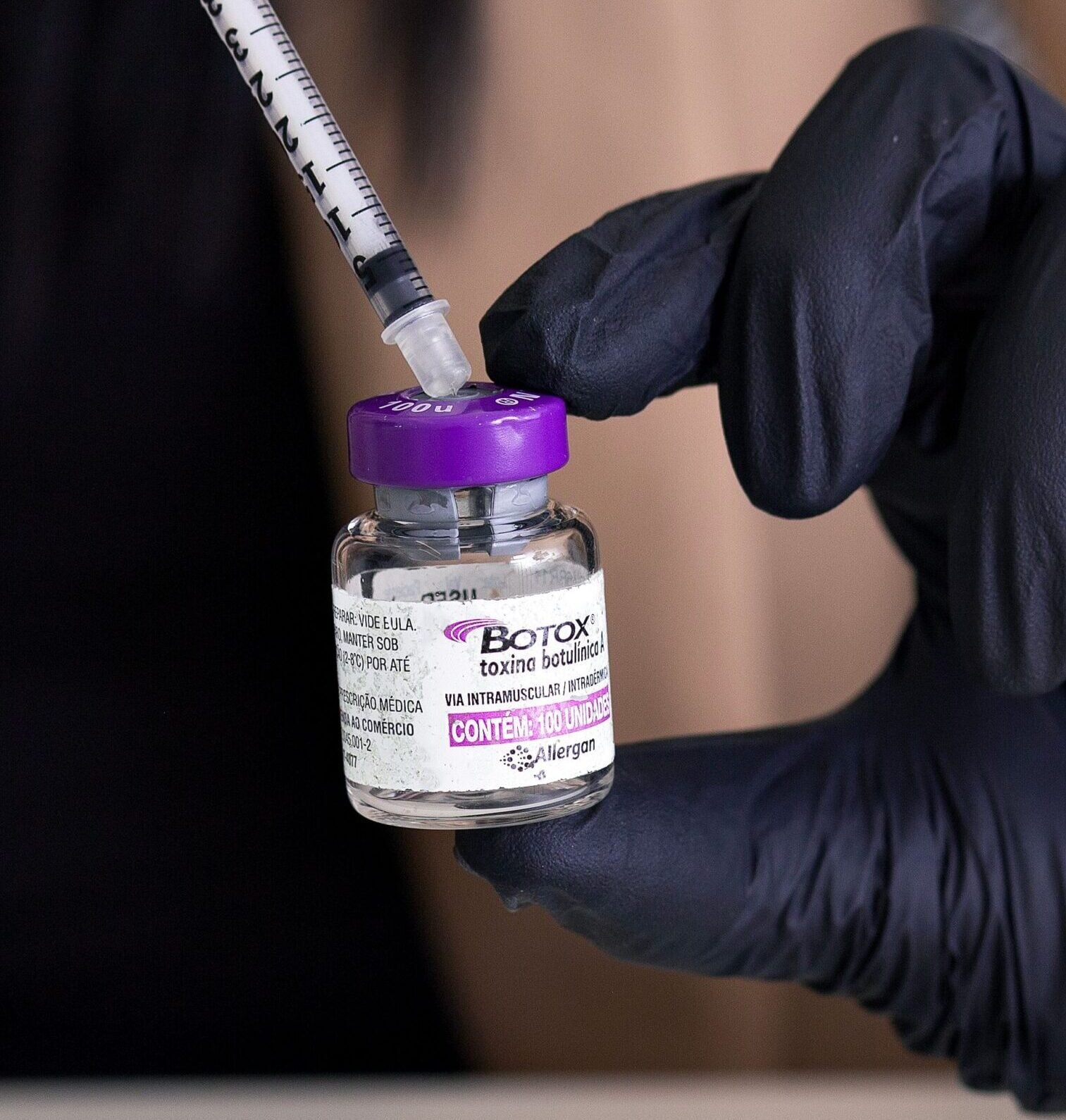
Botox (botulinum A toxin) is a powerful medicine that temporarily relaxes muscles where it is injected. It is best known for cosmetics, but it has far-reaching medical applications — including muscle spasticity, headaches, and urinary incontinence.
When injected into the bladder, Botox calms the overactive muscle that drives urgency and leaks. It is well tolerated, treats conditions ranging from everyday overactive bladder to severely spastic bladders from neurological disease, and can be repeated indefinitely — there is no limit on how long you use it.
A Short, In-Office Procedure
Bladder Botox is a quick outpatient procedure — no major surgery and no long recovery. It is delivered right in the office, and most patients tolerate it well. Here is what to expect.
Ask About Your Options1. Comfortable Numbing
The bladder is first flushed with local anesthesia and allowed to fully numb, so the procedure stays comfortable from start to finish.
2. Targeted Injections
A small scope is passed through the urethra into the bladder, and a fine needle delivers several injections that spread Botox evenly through the bladder muscle.
3. Recovery & Results
Most patients tolerate the procedure well and return to normal activity quickly. Relief lasts 6–12 months, then the treatment is simply repeated.
Frequently Asked Questions About Botox
How does Botox treat urinary incontinence?
An overactive bladder squeezes when it shouldn’t, creating sudden urges and leaks. Botox relaxes that overactive bladder muscle, reducing the involuntary contractions — so you feel fewer urges and have fewer accidents.
How is Botox administered?
Botox is injected into the muscle of the bladder. First the bladder is flushed with local anesthesia and allowed to thoroughly numb. Then a scope is passed up the urethra (urine channel) into the bladder. A small needle is placed through the scope and several injections are made to spread Botox throughout the muscle of the bladder. Most patients tolerate this procedure well.
How quickly does Botox work and how long does it last?
Many women notice improvement within a few days to two weeks as the medication takes full effect. Relief typically lasts 6–12 months. When symptoms begin to return, the treatment is simply repeated — there is no limit to how long you can use it.
What are the risks of Botox?
Bladder Botox is well tolerated. The most common side effects are temporary — mild burning, a small amount of blood in the urine, or a urinary tract infection. Less commonly, the bladder may not empty completely for a period, which can require the short-term use of a catheter. Dr. Littman will review your individual risks and answer every question before you decide.
Still Have Questions?
Specialized, Discreet Care You Can Trust
Advanced Women’s Health NJ is a fellowship-trained urogynecology practice dedicated to restoring pelvic support, comfort, and confidence for women experiencing pelvic floor conditions.
Our goal is to foster vitality, resilience, and optimal health, enabling each woman to thrive and live her fullest life with confidence and grace.
Board Certified Expertise
Fellowship-Trained and Board-certified in Female Pelvic Medicine and Reconstructive Surgery, with advanced training in the pelvic floor conditions behind bowel dysfunction.
Compassionate & Confidential
These conditions feel private. Every visit is built on listening, dignity, and honest education — never judgment, always a plan.
Full Range of Treatments
From diet and pelvic floor therapy to biofeedback, neuromodulation, and surgery — care matched to your needs, starting conservatively.
What Clients Say
Relief Is Possible. Let’s Find Your Path to It.
Call Advanced Women’s Health of NJ to schedule a private consultation with Dr. Paul Littman. You don’t have to keep managing this on your own.