
Pelvic organ prolapse can cause pressure, discomfort, and the sensation that something is bulging or falling within the vagina. For some patients, the symptoms affect exercise, work, intimacy, bladder or bowel function, and other everyday activities.
When conservative treatments do not provide enough relief, robotic-assisted sacrocolpopexy may be considered to restore pelvic support.
What Is Pelvic Organ Prolapse?
Pelvic organ prolapse develops when the muscles, ligaments, and connective tissues supporting the pelvic organs weaken. This may allow the uterus, bladder, rectum, or top of the vagina to descend from its normal position.
Common symptoms include:
- Pelvic pressure or heaviness
- A bulge at or beyond the vaginal opening
- A pulling or dragging sensation
- Difficulty emptying the bladder or bowels
- Urinary leakage or urgency
- Discomfort during physical activity or intimacy
- Symptoms that worsen after prolonged standing
Prolapse can occur after childbirth, menopause, previous pelvic surgery, chronic straining, or other changes affecting the pelvic floor. However, every patient’s experience is different.
What Is Sacrocolpopexy?
Sacrocolpopexy is a reconstructive procedure designed to restore support to the top of the vagina. During surgery, the surgeon positions surgical mesh to support the vagina and attaches it to a strong ligament near the sacrum, which is the bone at the base of the spine.
The goal is to return the affected structures to a more natural position and reinforce long-term pelvic support.
Depending on the patient’s anatomy, health history, and treatment goals, sacrocolpopexy may be performed after a previous hysterectomy or at the same time as another gynecologic procedure. The surgeon will recommend an individualized approach after a complete evaluation.
How Does Robotic-Assisted Sacrocolpopexy Work?
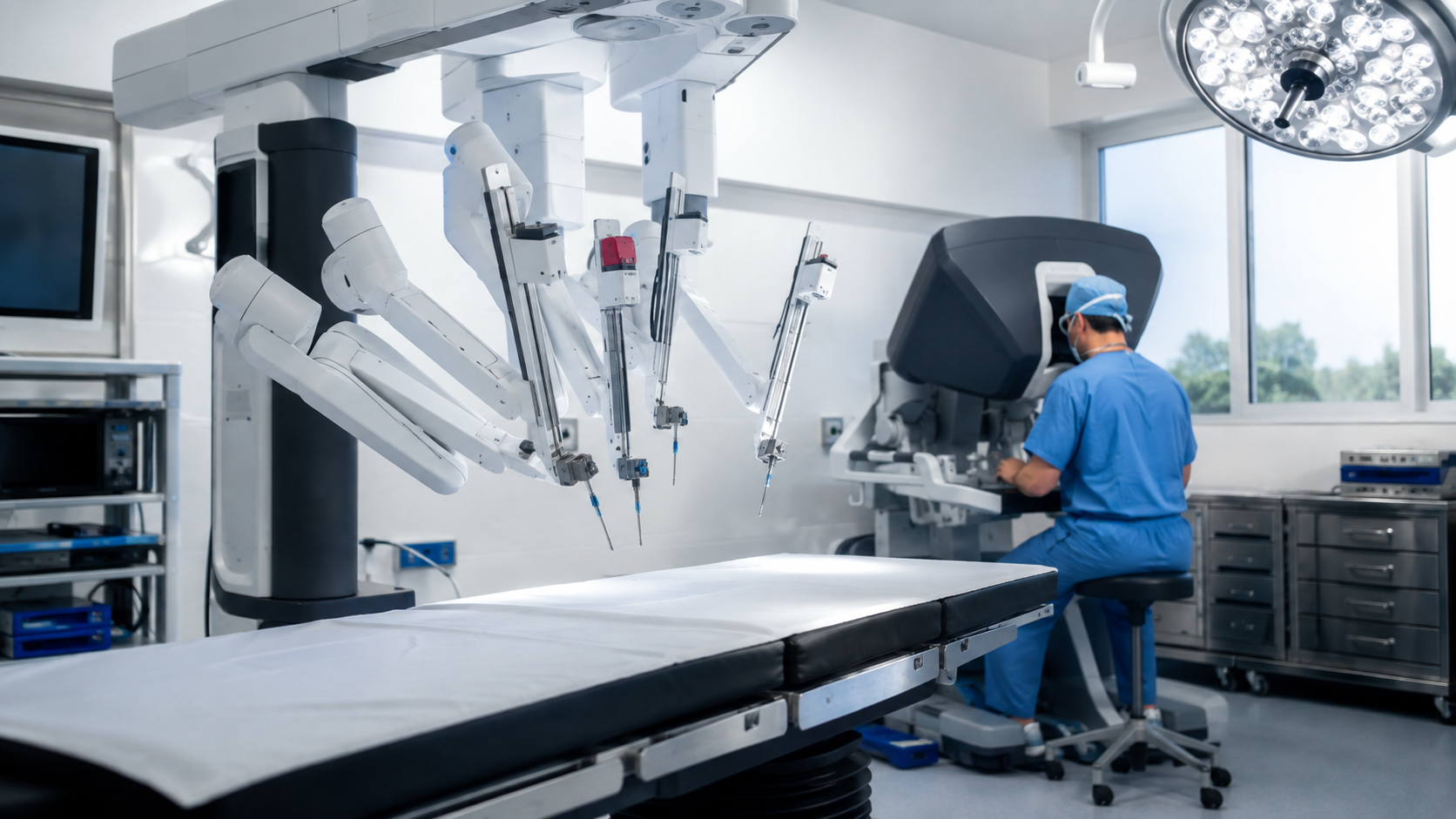
Robotic-assisted sacrocolpopexy is performed through several small abdominal incisions. The surgeon controls the robotic system throughout the operation, directing small, wristed instruments from a nearby console.
The system provides a magnified, three-dimensional view of the pelvis. This visualization and range of motion can help the surgeon work carefully around the bladder, bowel, ureters, blood vessels, and other pelvic structures.
The robot does not perform the procedure independently. Every movement is controlled by the surgeon.
Potential Benefits of the Robotic Approach
For appropriately selected patients, robotic-assisted sacrocolpopexy may offer potential benefits compared with traditional open abdominal surgery, including:
- Smaller incisions
- Less blood loss
- Reduced postoperative discomfort
- A shorter hospital stay
- A faster return to many daily activities
- Durable support of the vaginal apex
Recovery and results vary. Some patients may be better suited to a vaginal, laparoscopic, open, or nonsurgical approach.
Are There Nonsurgical Treatment Options?
Not every patient with prolapse needs surgery. Mild or manageable symptoms may be addressed with options such as:
- Observation and symptom monitoring
- Pelvic floor physical therapy
- Lifestyle changes to reduce pressure on the pelvic floor
- Treatment for chronic constipation or coughing
- A pessary, which is a removable device placed in the vagina for support
Surgery may be considered when symptoms remain disruptive, conservative care is unsuccessful, or the patient prefers a reconstructive solution after reviewing the available options.
What Are the Risks?
As with any operation, sacrocolpopexy carries risks. These may include:
- Bleeding or infection
- Injury to the bladder, bowel, ureters, blood vessels, or other tissues
- Blood clots
- Urinary symptoms
- Pain during intercourse
- Recurrence of prolapse
- Complications related to anesthesia
- Mesh exposure, erosion, infection, pain, or the need for additional treatment
- Conversion to an open surgical approach
The mesh used during abdominal sacrocolpopexy is placed differently from mesh inserted through the vagina to repair prolapse. Patients should still discuss the material, benefits, alternatives, and potential mesh-related complications with their surgeon.
What Is Recovery Like?
Recovery depends on the extent of the repair, whether other procedures are performed, and the patient’s overall health. Walking is generally encouraged soon after surgery, but lifting, strenuous exercise, and vaginal activity may need to be restricted while the tissues heal.
Before surgery, the care team should provide clear instructions about:
- Pain management
- Incision care
- Activity restrictions
- Bladder and bowel care
- Follow-up appointments
- Warning signs that require medical attention
Following these instructions is an important part of protecting the repair during recovery.
Is Sacrocolpopexy Right for You?
Choosing a prolapse treatment requires a personalized evaluation. Your surgeon will consider the type and severity of the prolapse, your symptoms, previous surgeries, overall health, treatment preferences, and goals regarding uterine preservation and sexual function.
Dr. Paul Littman and Advanced Women’s Health NJ provide individualized evaluation and advanced treatment for pelvic organ prolapse and other pelvic floor conditions. The goal is to help each patient understand their options and choose an approach that supports comfort, function, and quality of life.
If pelvic pressure or a vaginal bulge is affecting your daily activities, schedule a consultation to discuss your symptoms and treatment options.
This article is intended for general educational purposes and does not replace personalized medical advice. All surgery carries risks, including bleeding, infection, injury to nearby organs or tissues, blood clots, anesthesia complications, and the possible need for additional treatment. Mesh-related complications and recurrence may occur. Consult a qualified physician to determine which treatment is appropriate for your condition.