
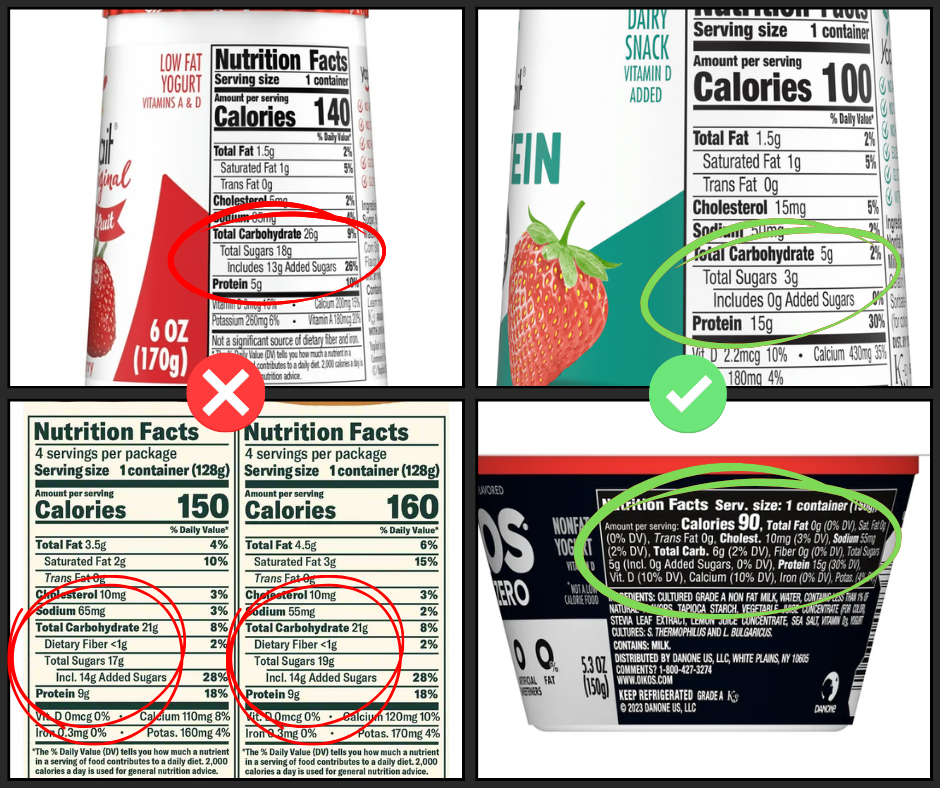
Breakfast is often described as the most important meal of the day. It sets the tone for your energy, metabolism, and focus for the hours ahead. Yet many people who believe they are making a healthy choice may actually be starting their day with far more sugar than they realize.
During patient visits, I often ask a simple question: “What did you have for breakfast today?” One of the most common answers I hear is yogurt. Yogurt can absolutely be part of a healthy breakfast, but the details matter.
Not All Yogurts Are the Same
My next question is always: “What kind of yogurt?”
Many people reach for flavored yogurts such as strawberry, blueberry, or vanilla because they taste great and seem like a nutritious option. However, when you take a closer look at the nutrition label, the sugar content can be surprising.
Some flavored yogurts contain around 18 grams of sugar in a single serving, which is similar to what you might find in a dessert like cookies. That is why I sometimes refer to these products as “dessert yogurts.”
While yogurt itself can be a nutritious food with calcium and probiotics, the added sugars in many flavored versions can quickly turn a healthy food into something closer to a treat.
Hidden Sugars in Common Breakfast Foods
Yogurt is not the only breakfast food where this happens. Many products marketed as healthy morning choices can contain added sugars that add up quickly.
Examples include:
- Sweetened oatmeal packets
- Many breakfast cereals
- Granola blends
- Flavored coffee creamers
- Smoothies with added sweeteners
Food packaging often highlights words like “natural,” “whole grain,” or “low fat,” which can make a product appear healthier than it really is. This is why it is helpful to pause for a moment and look at the nutrition label and ingredient list.
The Simple Habit That Makes a Big Difference
A quick glance at the nutrition label can help you understand:
- How much sugar is in a serving
- How much protein the food provides
- Whether added sugars are included in the ingredients
Protein is particularly important at breakfast because it helps you stay full longer and supports more stable energy levels throughout the morning.
Simple Swaps That Support Better Nutrition
The good news is that you do not have to give up the foods you enjoy. Many brands now offer higher protein and lower sugar options that taste very similar to their traditional versions.
For example, if you enjoy Yoplait yogurt, you might consider choosing one of their higher protein varieties instead of the regular flavored option. This small change can reduce sugar while increasing protein, helping you stay satisfied longer.
Small adjustments like this can make a meaningful difference in your daily nutrition over time.
Balanced Breakfast Ideas
If you are looking for simple ways to build a more balanced breakfast, consider options that include protein, healthy fats, and fiber. These nutrients work together to support sustained energy and help you feel full.
Here are a few easy ideas:
- High protein yogurt topped with fresh berries
- Oatmeal with nuts and cinnamon
- Eggs with vegetables
- Avocado on whole grain toast
These combinations provide nutrients that help fuel your body in the morning without relying on large amounts of added sugar.
Your Breakfast Should Fuel Your Day
Breakfast does not need to be complicated to be nutritious. Often, the most helpful change is simply becoming more aware of what is in the foods we eat every day.
By choosing options that are higher in protein and lower in added sugars, you can create a breakfast that supports your energy, metabolism, and overall health.
Small swaps made consistently can have a meaningful impact over time. Your breakfast should help power your day, not feel like dessert.