When cold weather arrives, outdoor routines can become harder to maintain. Shorter days, slippery sidewalks, and stiff muscles may make the couch feel more inviting than a workout.
However, regular movement remains important throughout the year. It supports heart health, bone density, strength, balance, sleep, mood, and long-term independence. For women in midlife, exercise can also help preserve muscle as the body changes during perimenopause and menopause.
If your knees, hips, back, or other joints feel uncomfortable, the answer is not necessarily to stop moving. Choosing joint-friendly activities and progressing gradually can help you remain active without placing unnecessary stress on your body.
Begin With a Longer Warm-Up
Cold muscles may feel less flexible at the beginning of a workout. Give your body time to transition.
Start with five to ten minutes of gentle movement, such as:
- Marching in place
- Walking slowly
- Shoulder rolls
- Arm circles
- Ankle circles
- Gentle hip movements
- Repeatedly sitting down and standing up from a chair
A warm-up should gradually increase your breathing and circulation without exhausting you.
Try Joint-Friendly Cardio
Low-impact does not mean low-value. Several activities can improve cardiovascular fitness while limiting force on the joints.
Walking
Indoor tracks, malls, treadmills, and community centers can provide safer alternatives when sidewalks are icy. Adjust your pace and distance based on your current fitness level.
Stationary Cycling
A stationary bike provides cardiovascular exercise without the impact of running. Adjust the seat to avoid excessive strain on the knees or hips.
Swimming or Water Exercise
Water supports body weight and can make movement more comfortable for people with arthritis or joint pain. Heated pools may feel especially appealing in winter.
Elliptical Training
An elliptical provides a smooth, low-impact motion. Begin with low resistance and shorter sessions while your body adapts.
Low-Impact Dance or Aerobics
A beginner class can offer movement, music, and social connection. Look for routines that avoid jumping or rapid twisting if those movements aggravate your joints.
Strength Training Supports Joints and Bones
Stronger muscles can help support the joints around them. Resistance training is also particularly important for maintaining muscle and bone strength as women age.
Begin with exercises such as:
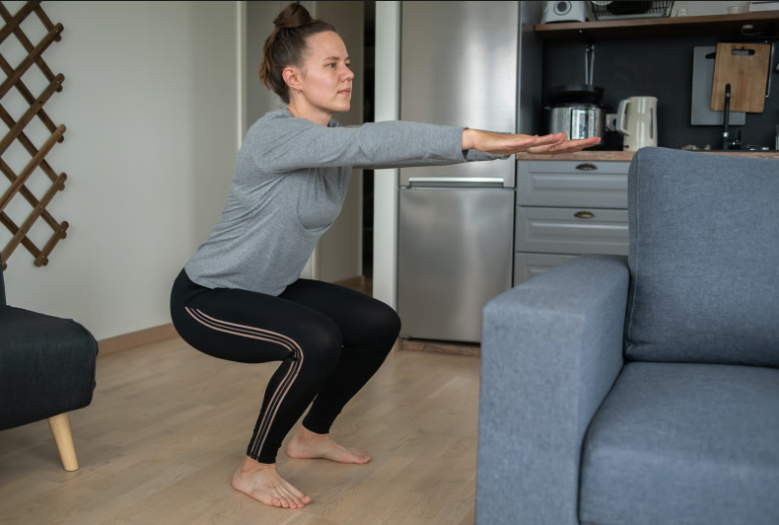
- Chair squats or sit-to-stands
- Wall push-ups
- Glute bridges
- Step-ups using a stable, low step
- Rows with a resistance band
- Calf raises while holding a support
- Light weight exercises for the shoulders and arms
Focus on controlled movement and comfortable range rather than lifting the heaviest weight possible. A physical therapist or qualified exercise professional can help modify exercises around arthritis, osteoporosis, previous injuries, or other concerns.
Include Balance and Mobility
Balance exercises can reduce fall risk, while mobility work can help you move more comfortably. Try standing on one foot near a sturdy counter, heel-to-toe walking, gentle yoga, tai chi, or comfortable stretches.
Stretching should create gentle tension, not sharp pain. Avoid forcing a joint beyond its comfortable range.
Pay Attention to Pelvic Floor Symptoms
Exercise should not routinely cause bladder leakage, pelvic heaviness, bulging, or pain. These symptoms are common, but you do not have to accept them as a normal price of staying active.
Helpful modifications may include reducing impact, adjusting breathing, lowering resistance, or changing how an exercise is performed. A pelvic health evaluation can help determine whether pelvic floor therapy or another treatment is appropriate.
Use the Right Cold-Weather Precautions
If you exercise outside, dress in breathable layers, protect your hands and ears, wear footwear with appropriate traction, use reflective clothing in low light, check for ice, and stay hydrated.
People with asthma, heart disease, or circulation problems should ask a healthcare professional whether cold-weather exercise requires additional precautions.
Know the Difference Between Effort and Pain
Stop exercising and seek medical guidance for new or worsening joint swelling, pain that changes your walking pattern, a joint that locks or gives way, severe pain after an injury, chest pain, fainting, unusual breathlessness, or new pelvic pressure or bleeding.
A sustainable routine should leave you feeling challenged but not injured. Start small, choose activities you enjoy, and build gradually.
This article is for educational purposes. Consult a qualified healthcare professional before beginning a new exercise program if you have a medical condition, significant pain, or a history of injury.